
The Legacy of Cine Rent West: From SF to PDX
The San Francisco Era: The Vision of Gregg Snazelle
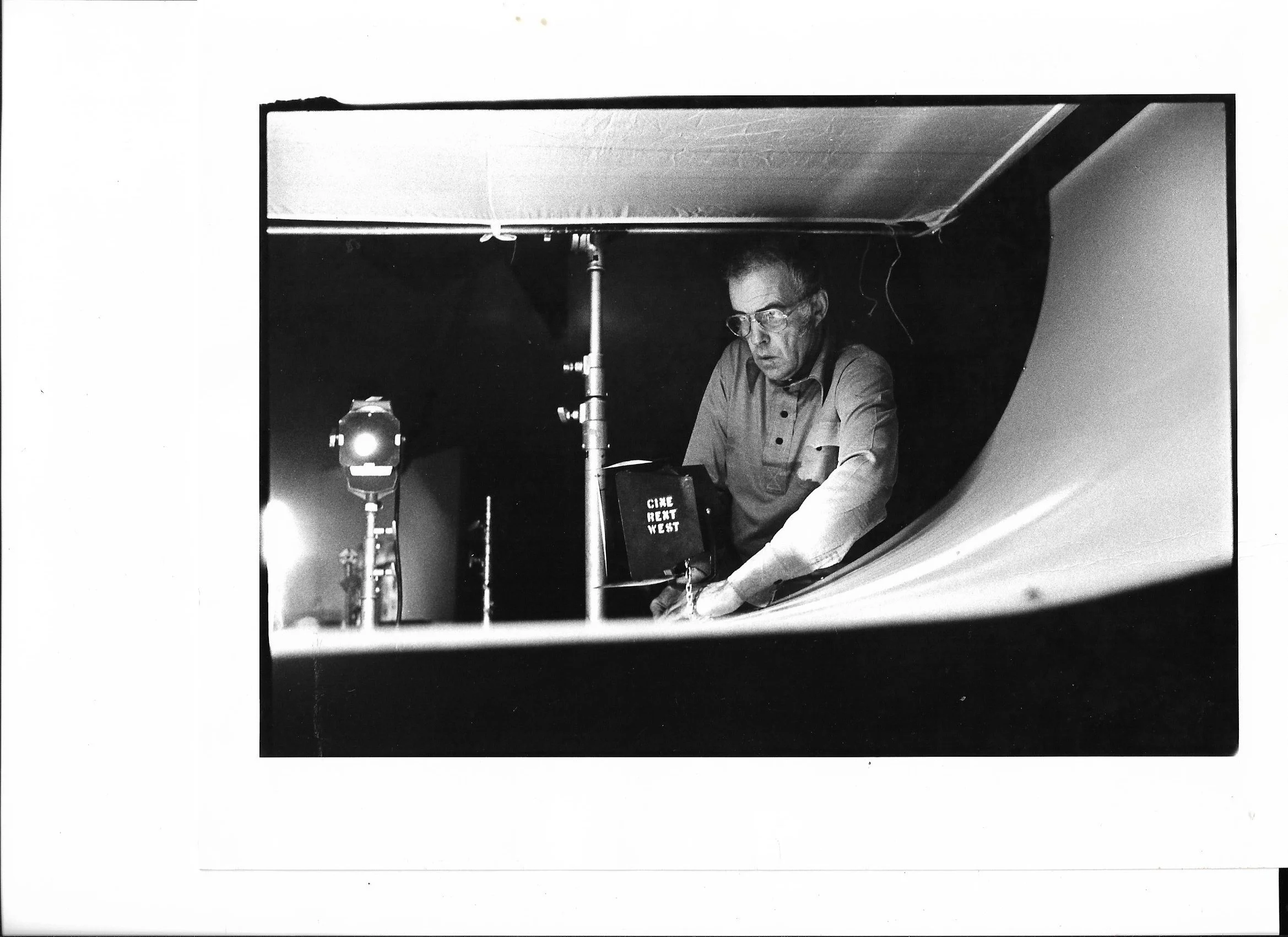
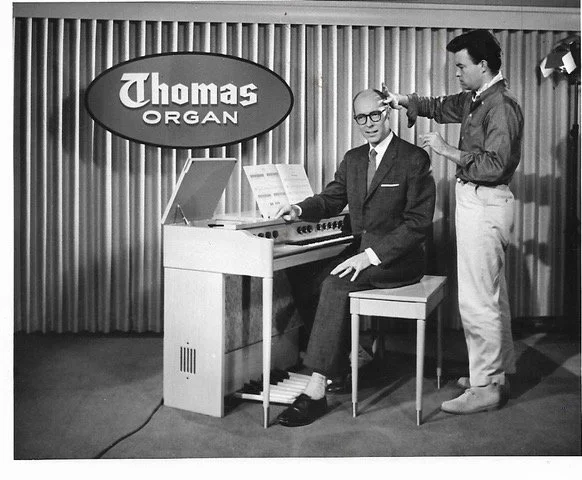
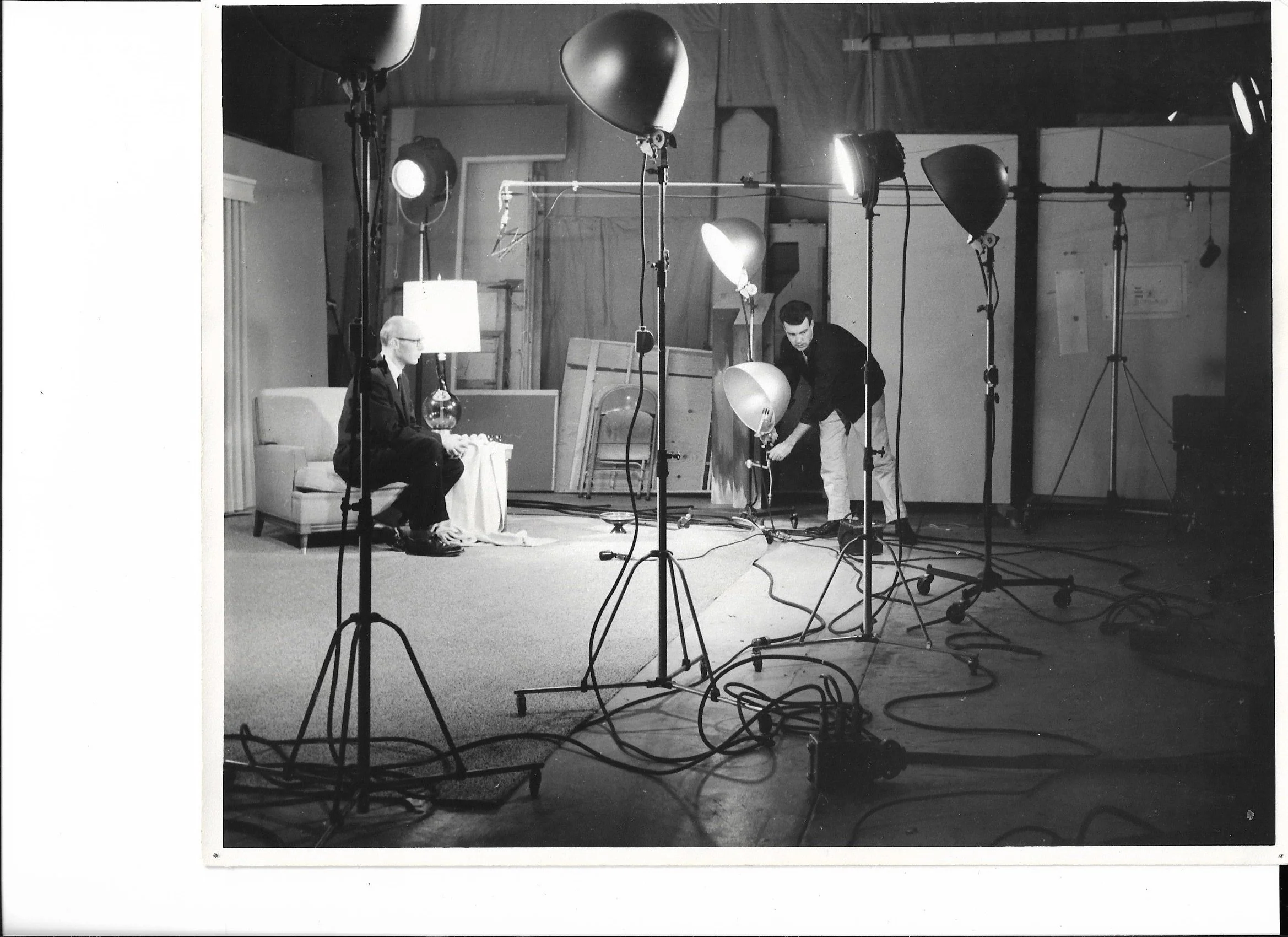
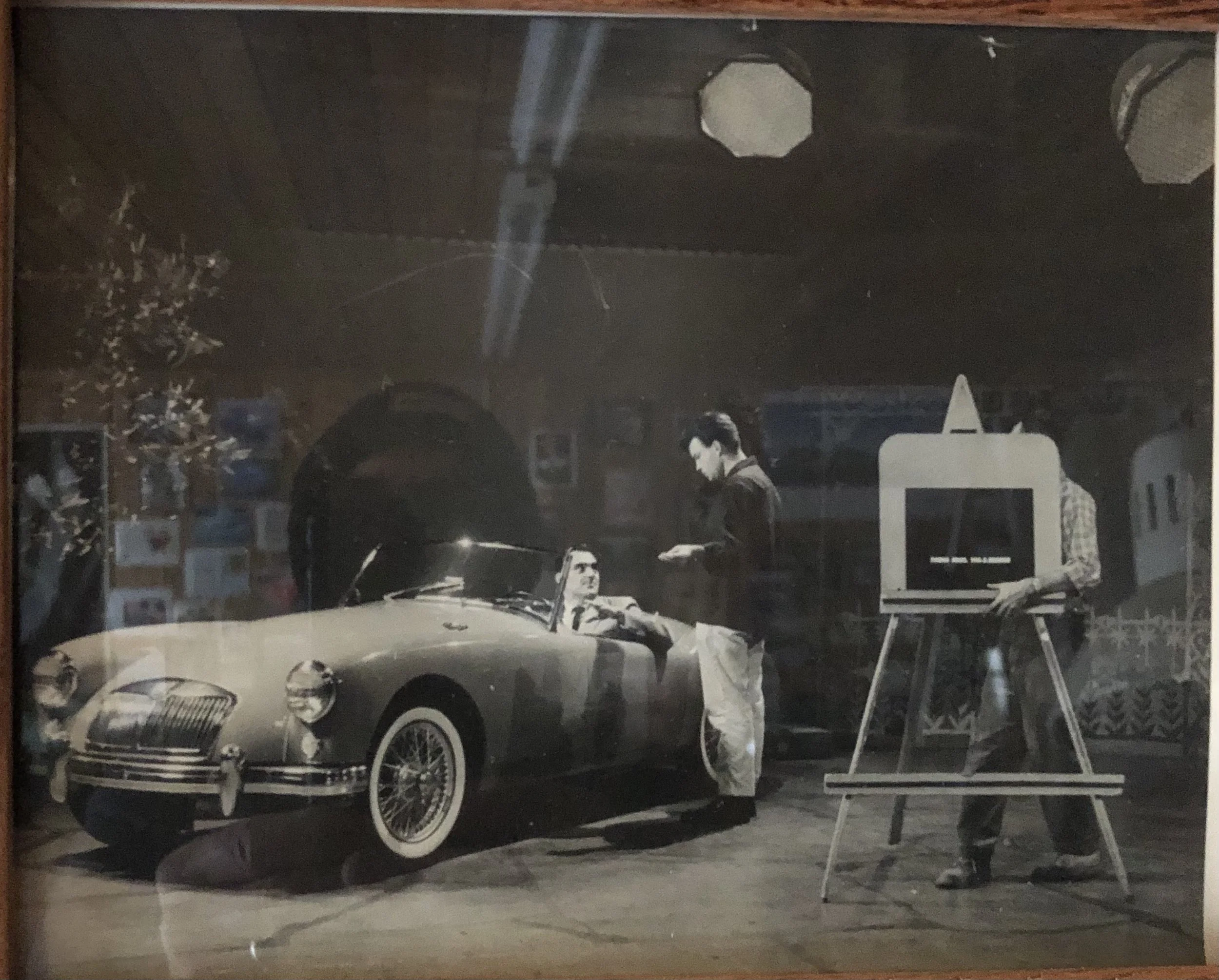
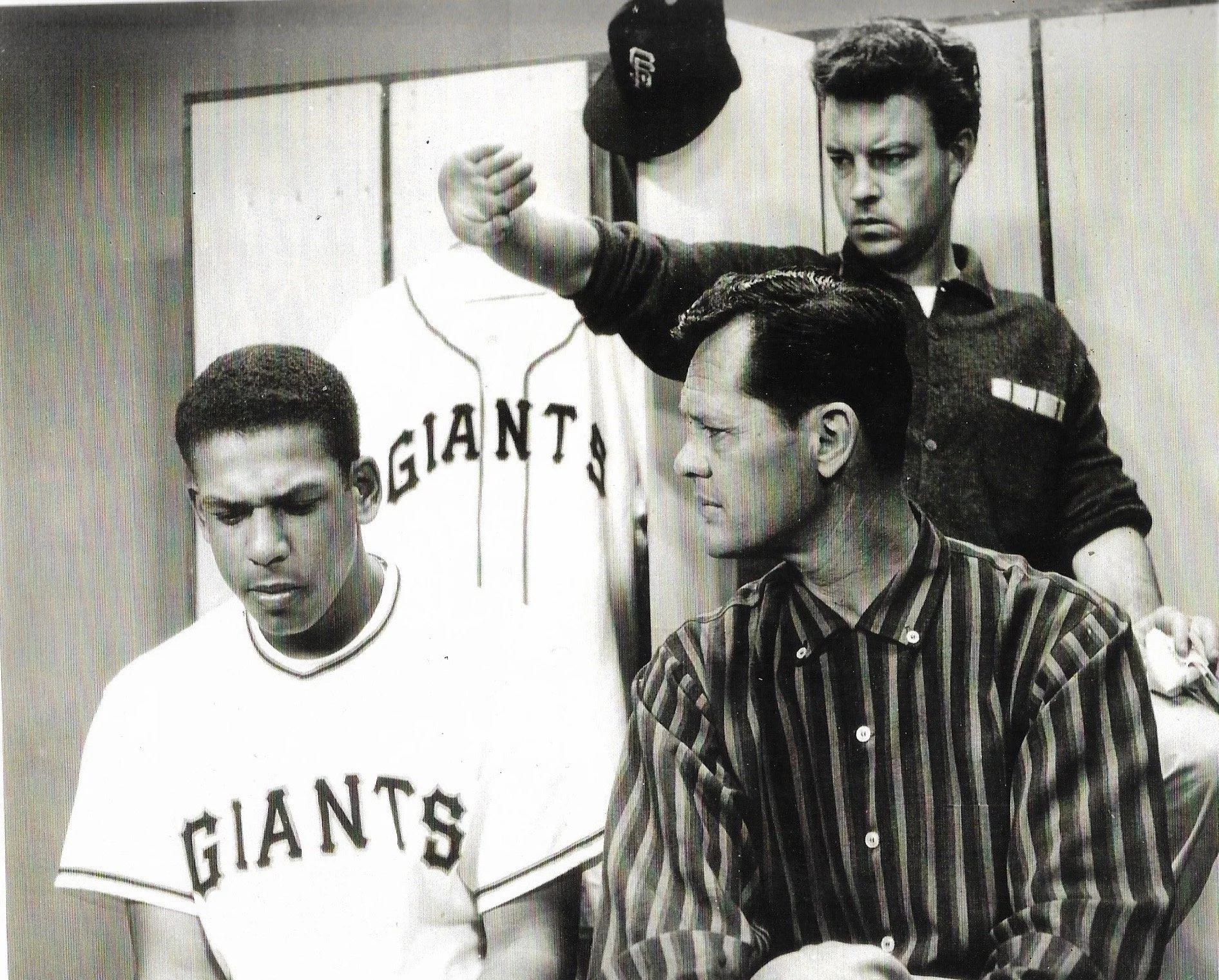
It begins in 1952 during the era of post-WWII commercial filmmaking. Fresh out of the Navy, a self made photographer and director E.E. Gregg Snazelle set up a one-room, third-floor office on Post Street in San Francisco to host his first acting workshops. Hustling to expand, he rented additional space in the building to construct his very first small stage, running operations there until the early 1960s. Production in those early days was a family affair; Gregg frequently recruited his young sons as child talent for early commercial spots—including the very first Jacuzzi whirlpool bath commercial and local campaigns for Langendorf Bread in Golden Gate Park. Compensation for the crew wasn't a paycheck; it was a round of burgers at the original Mel’s Drive-In on South Van Ness after wrap.
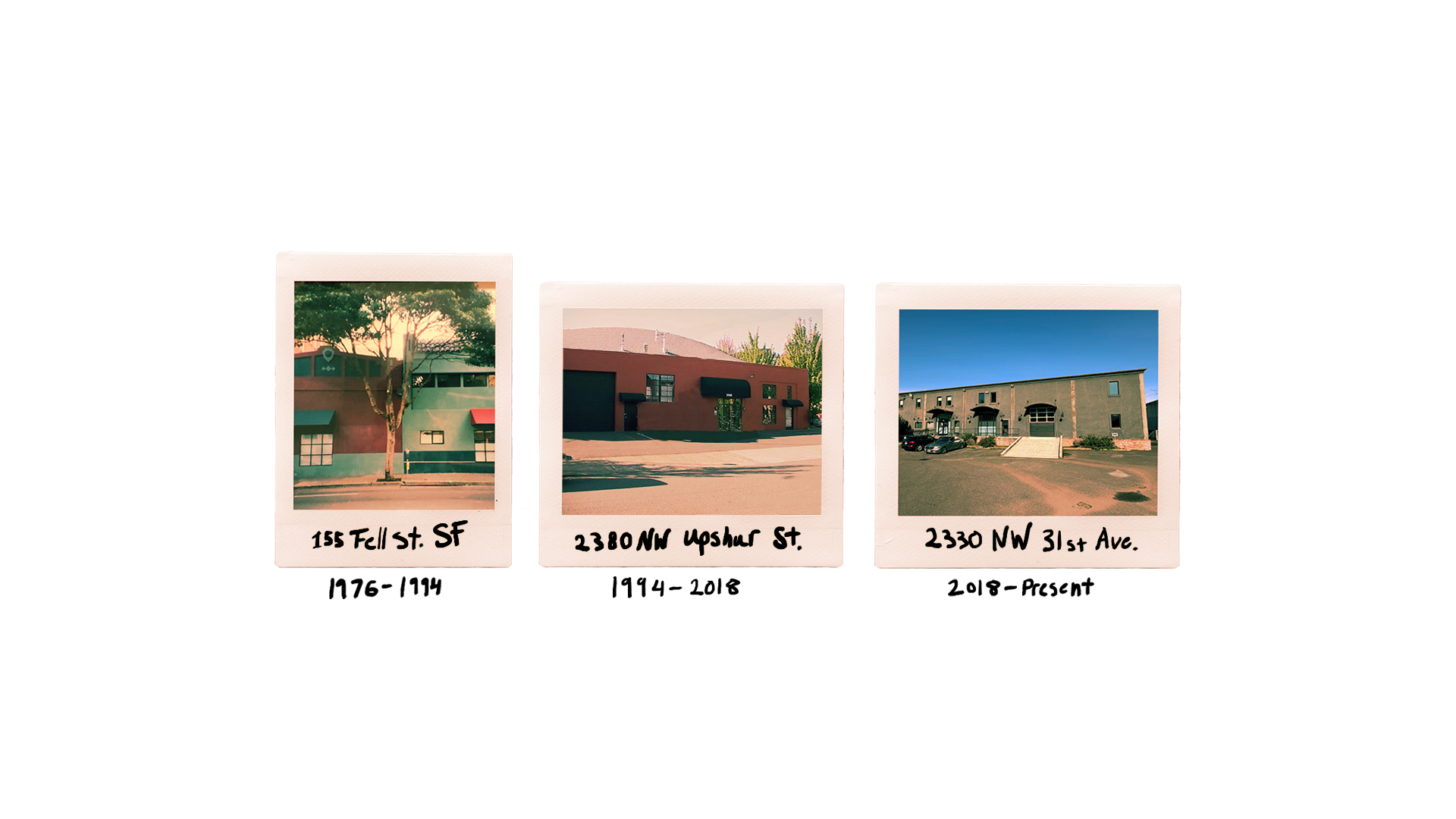
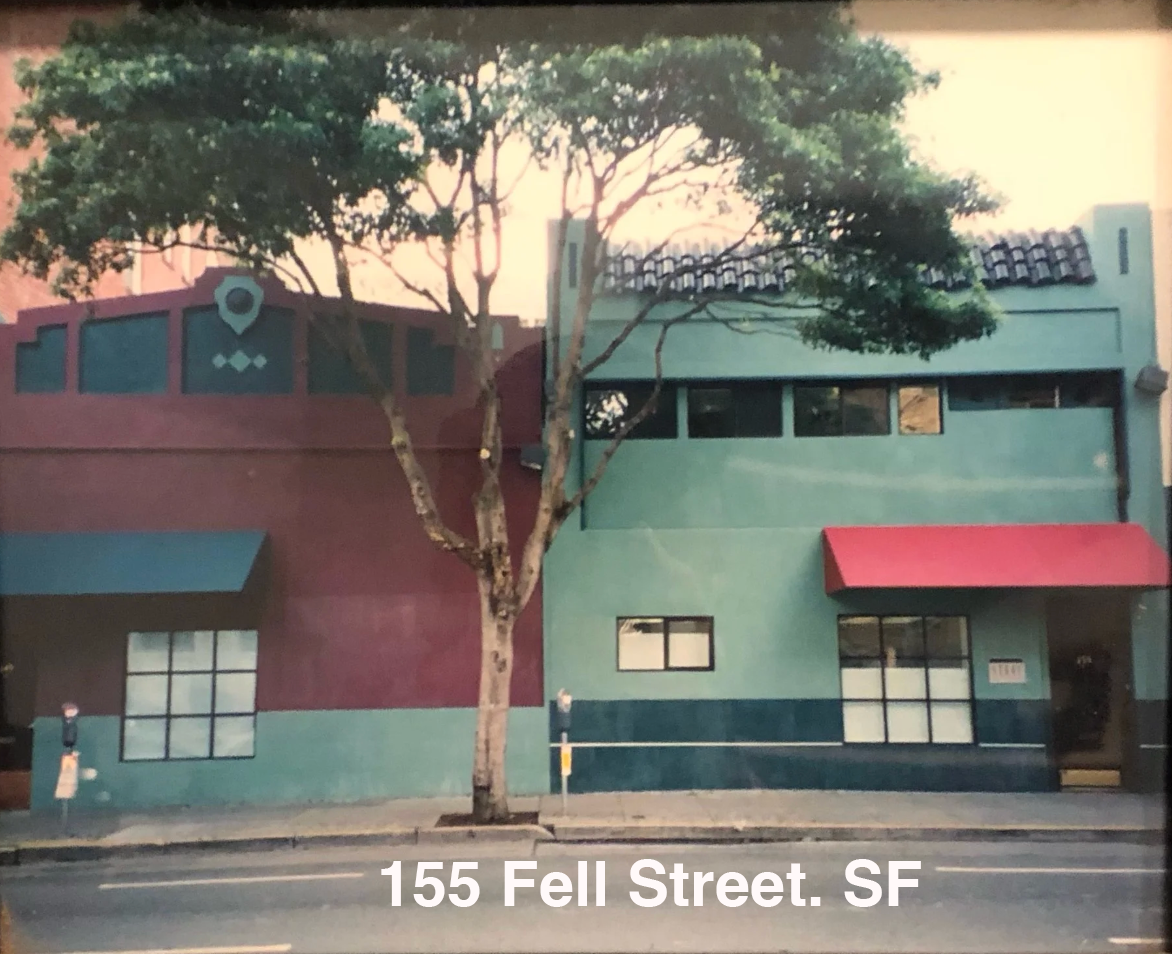
By the early 1960s, the hustle paid off, and Snazelle purchased the building at 155 Fell Street. As operations expanded, he acquired the adjacent building at 149 Fell Street by the late '60s, knocking down walls to conjoin the structures into a powerhouse production facility where his teenage sons washed and wrangled vehicles for high-stakes automotive shoots.
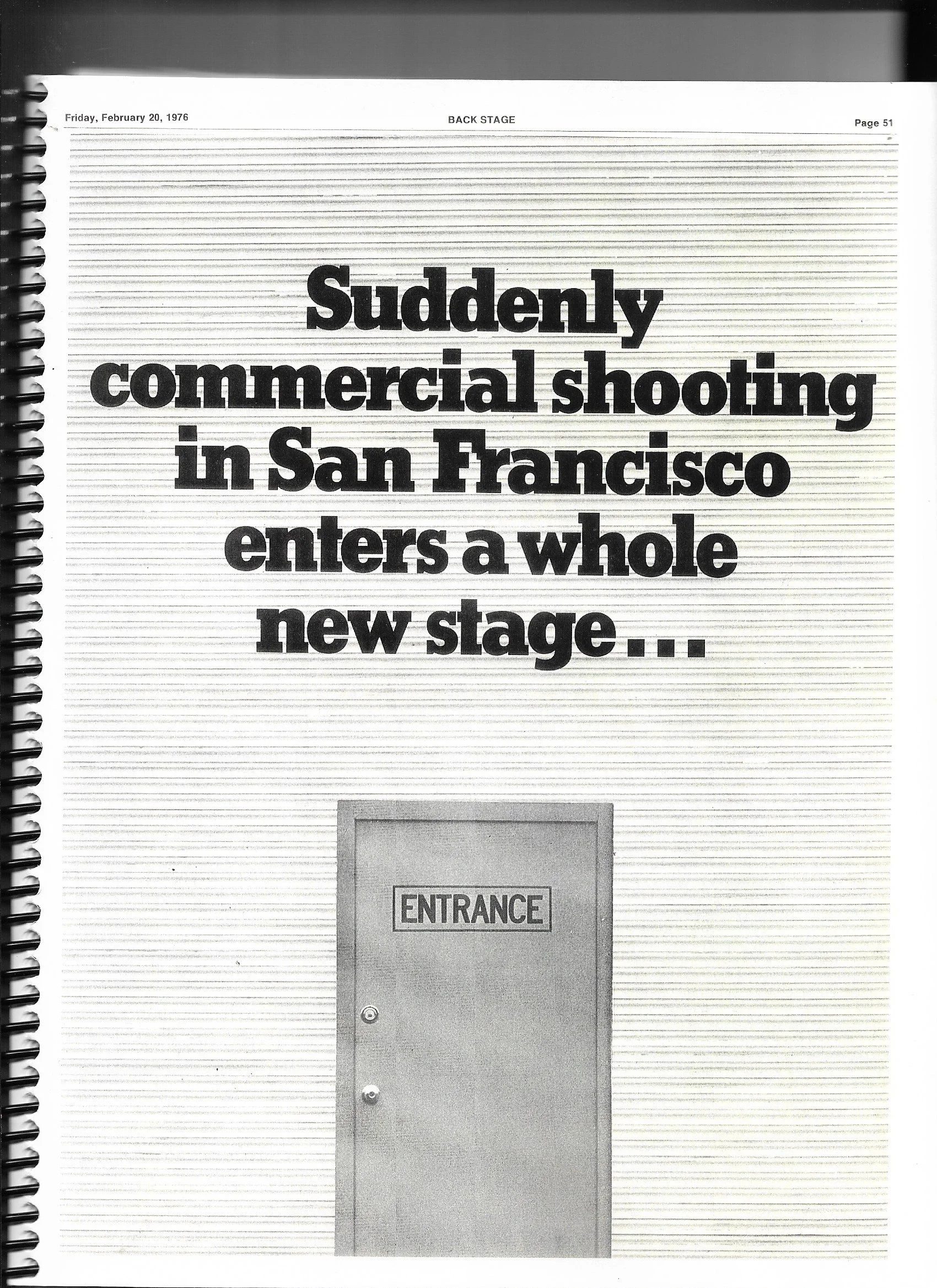
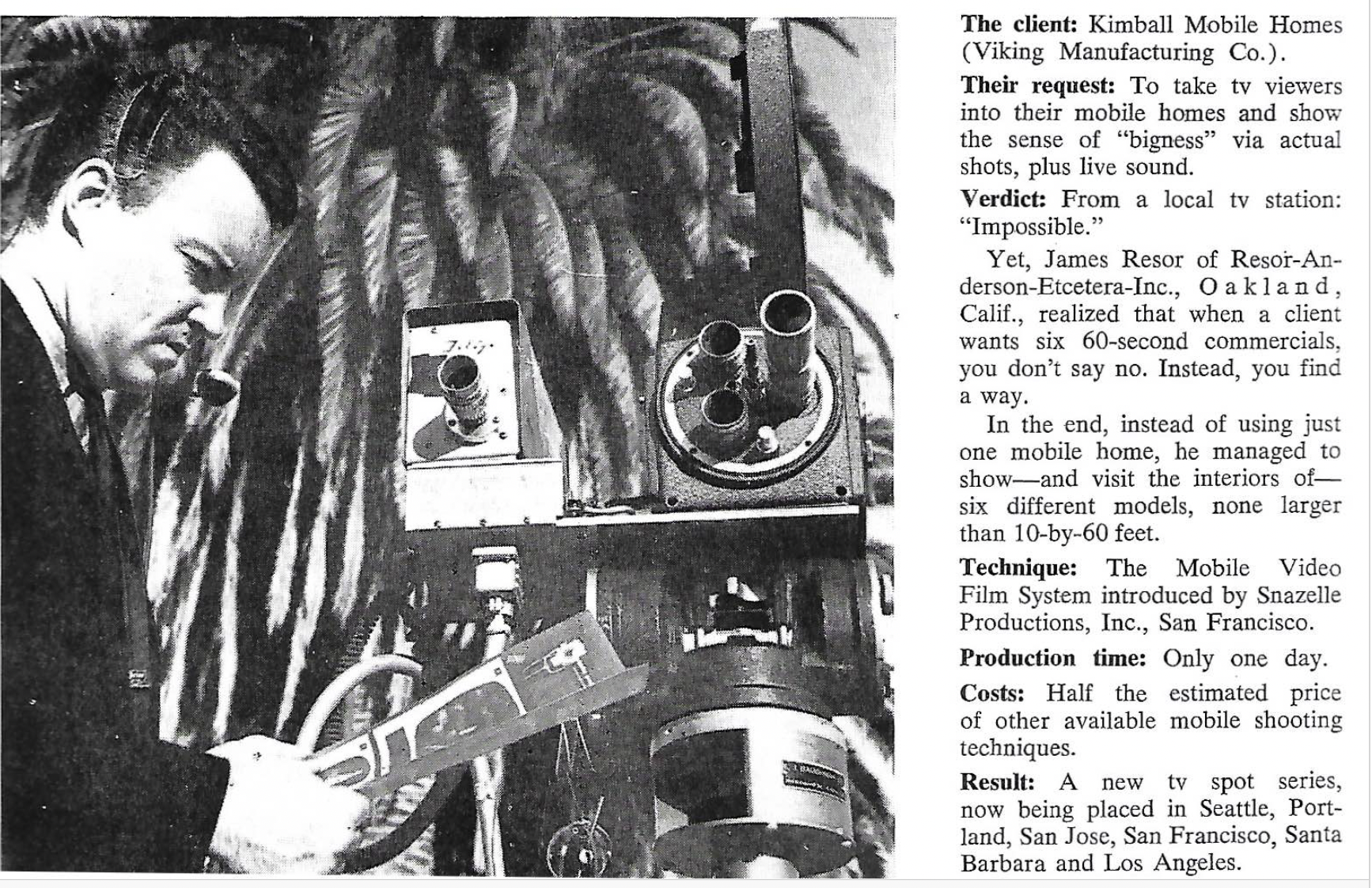
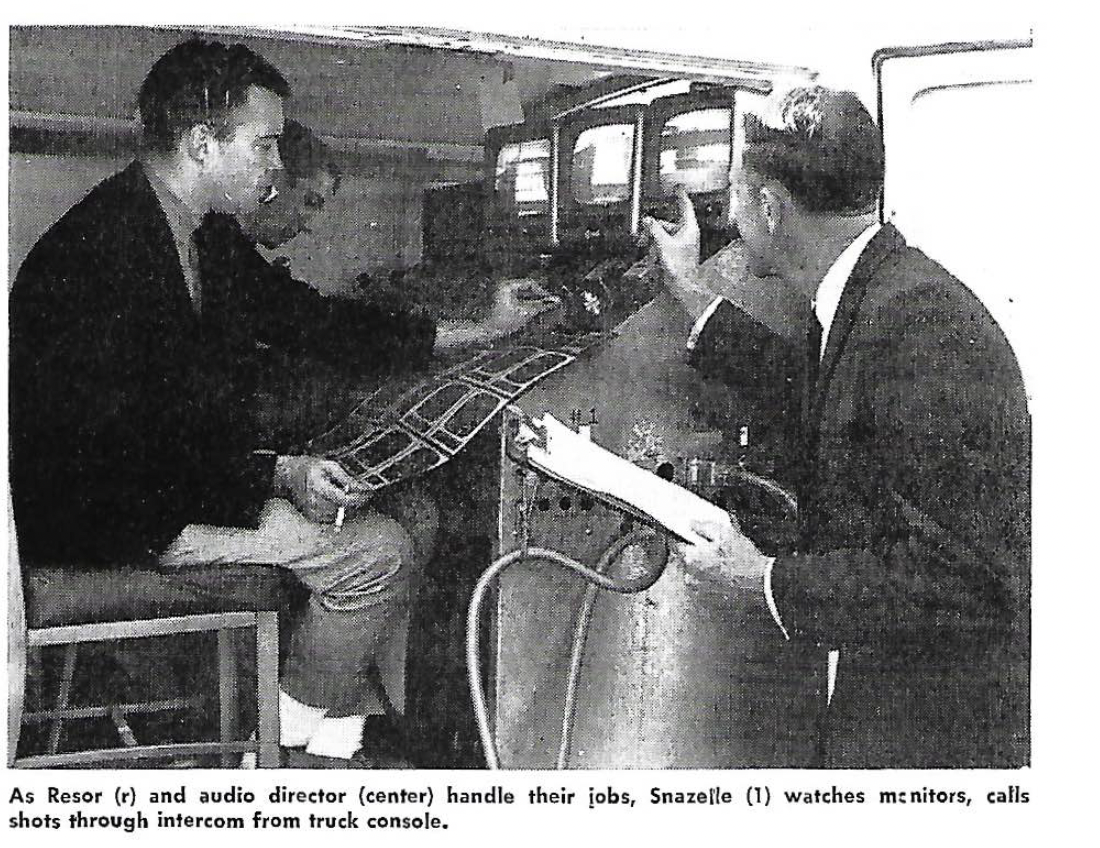
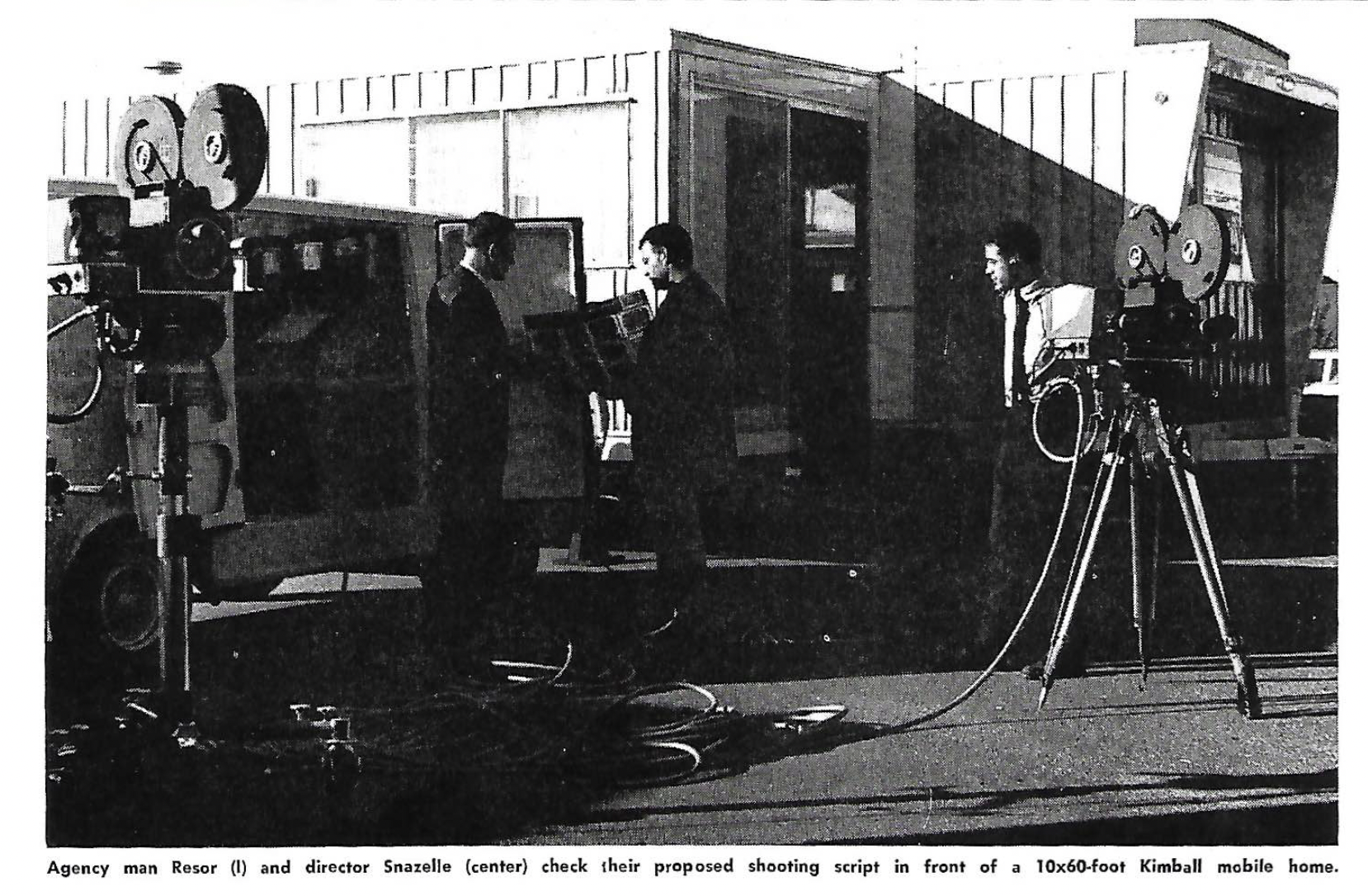
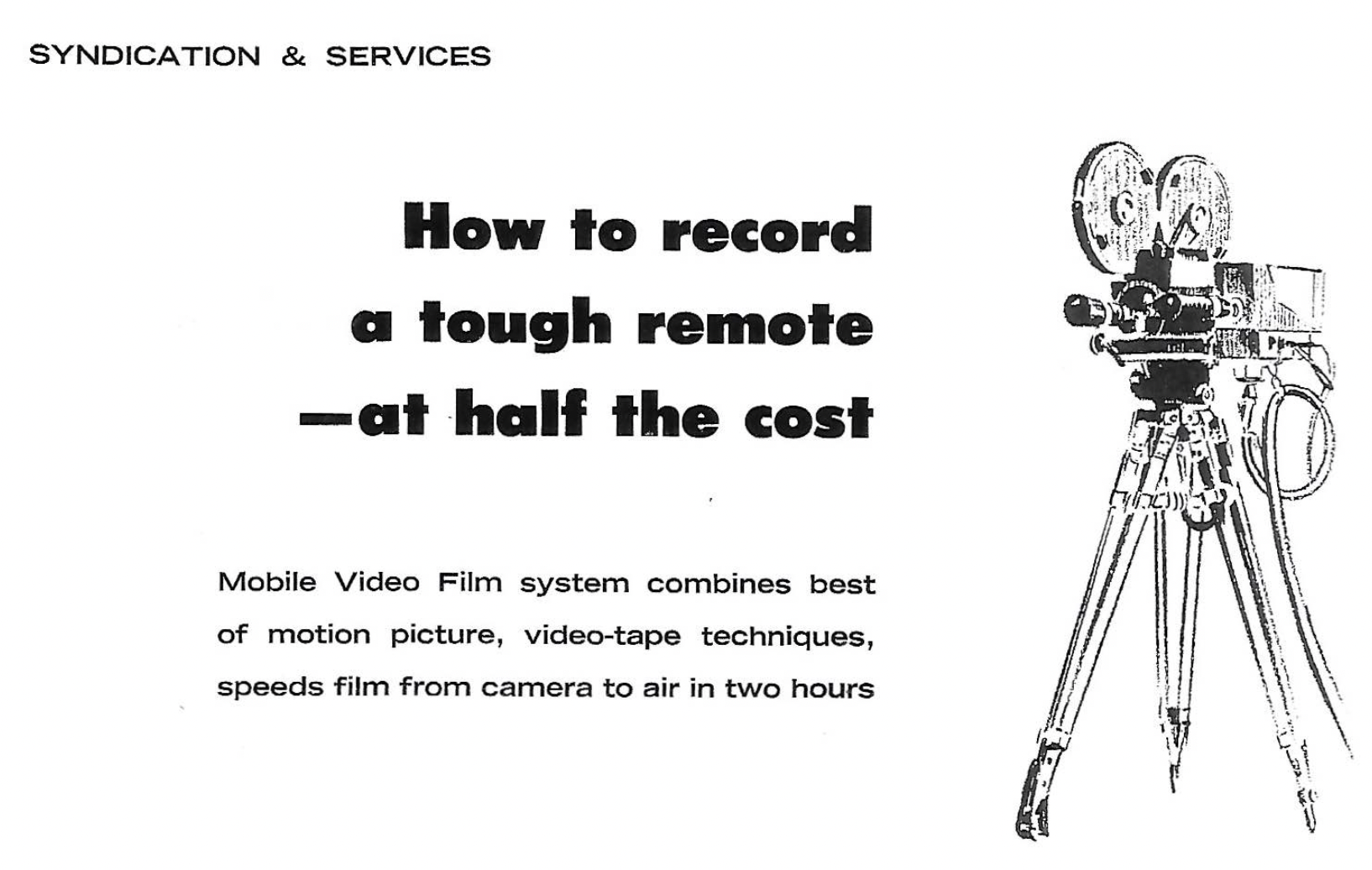
Snazelle was a industry pioneer. In 1964, he shook up the national scene by inventing the MVF (Mobile Video Film) system—a custom control console inside a mobile panel truck that conjoined traditional 16mm motion picture cameras with closed-circuit television cameras. By viewing live TV monitors from the truck, Snazelle could call shots through intercoms and use a push-button switching device to start, stop, and pre-edit the raw film footage live on set. Paired with hidden wireless microphones, this hybrid system allowed creators to execute "impossible" remote shoots at half the cost of traditional methods and take a commercial from camera to air in under two hours. Though comedian Jerry Lewis ultimately secured the patent on the concept and aced Snazelle out of the payday, the tech cemented Gregg's reputation as a true visionary. Securing a highly coveted, exclusive Panavision contract, he built a stellar reputation shooting high-end automotive commercials. The official "Cine Rent West" banner was born in 1976 with the opening of Stage A out in San Francisco's China Basin. His studios became an absolute magnet for the industry’s creative rule-breakers—including iconic independent animators who shaped the underground film scene of the 1970s. After nearly half a century anchoring the Bay Area film landscape, Snazelle sold the historic California property in 1998, turning his full focus north.
1994: The Move to 2580 NW Upshur
By the early 1990s, Snazelle set his sights on the burgeoning creative scene in the Pacific Northwest. In 1994, he packed up his San Francisco camera inventory, began to wind down the SF studios, and moved operations to Portland, Oregon.
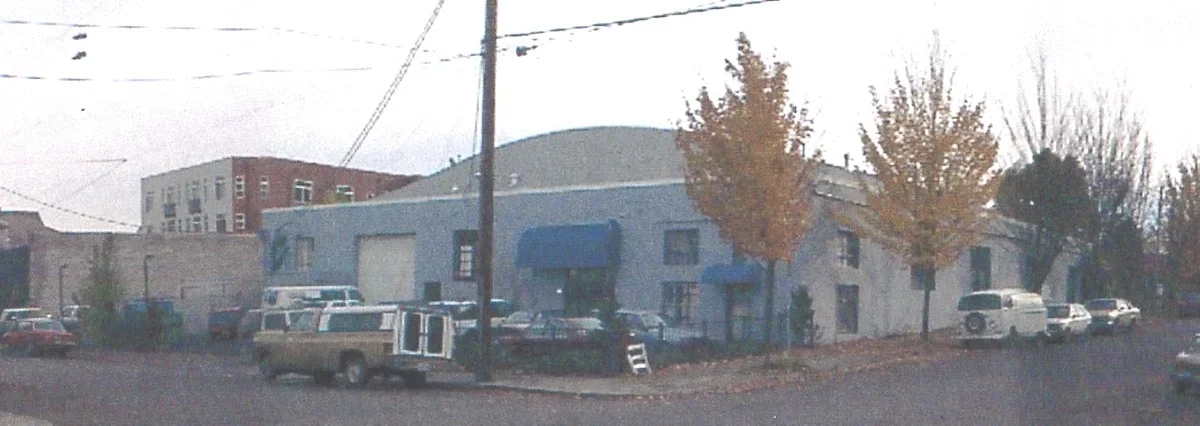
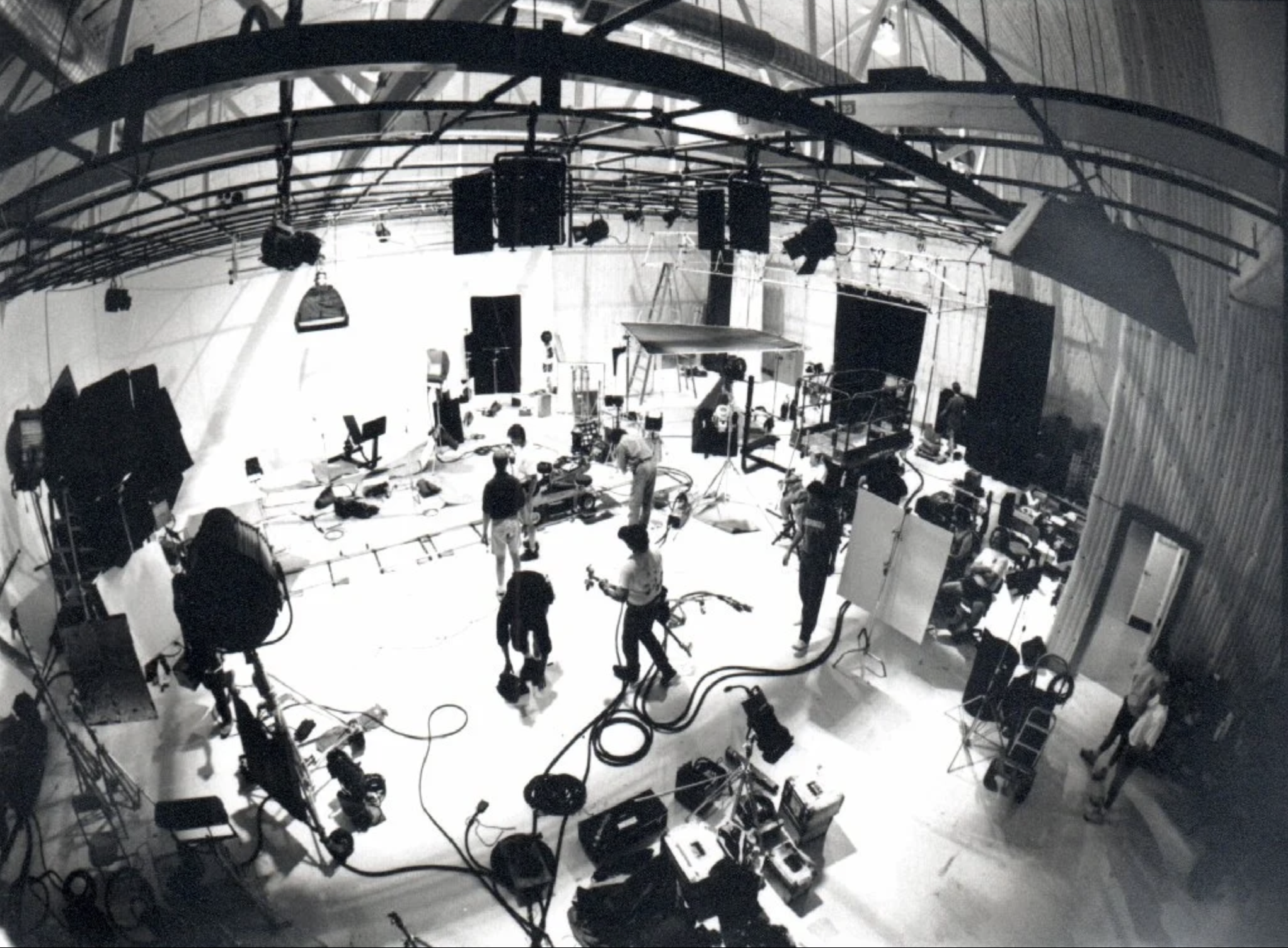
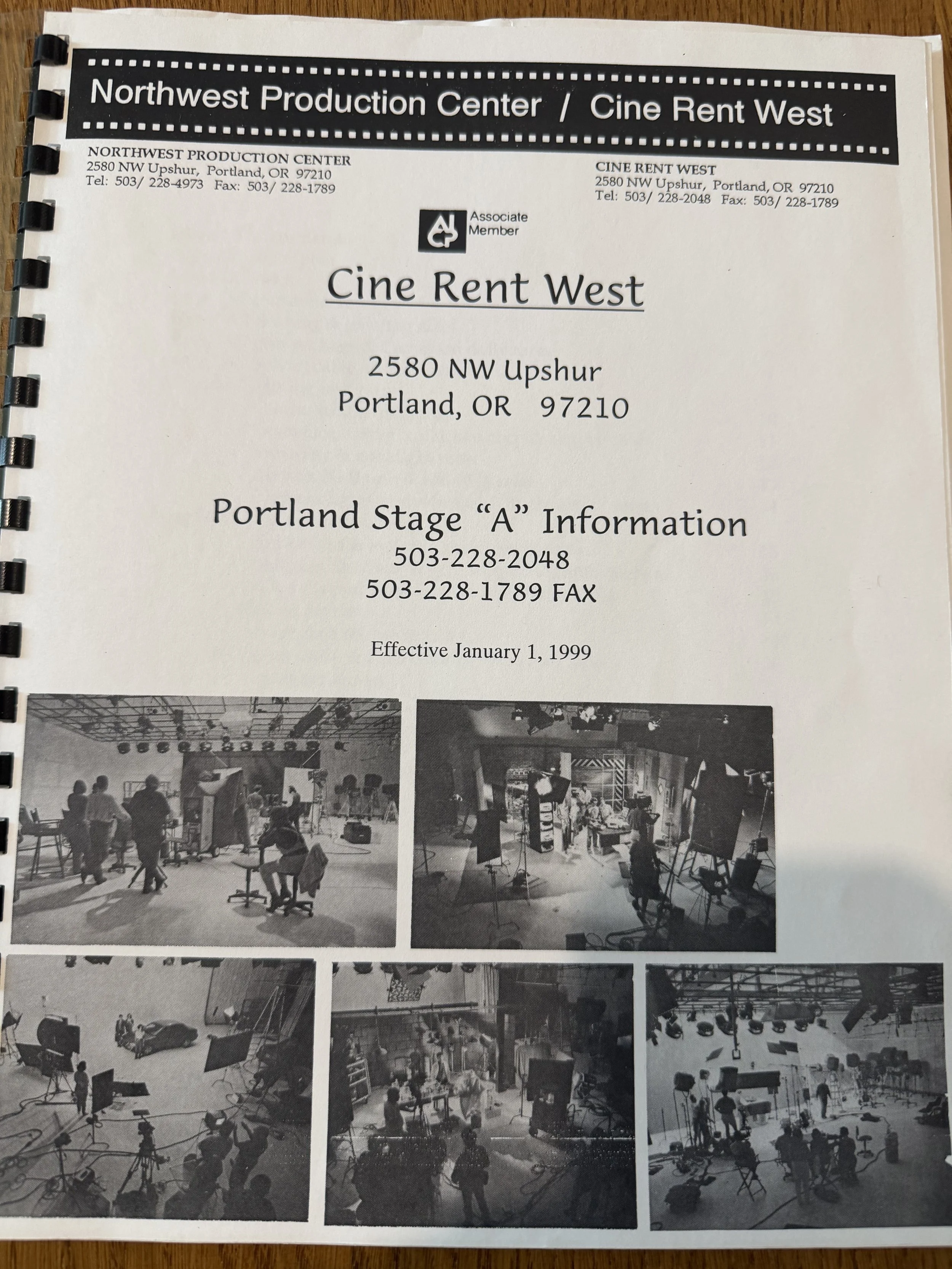
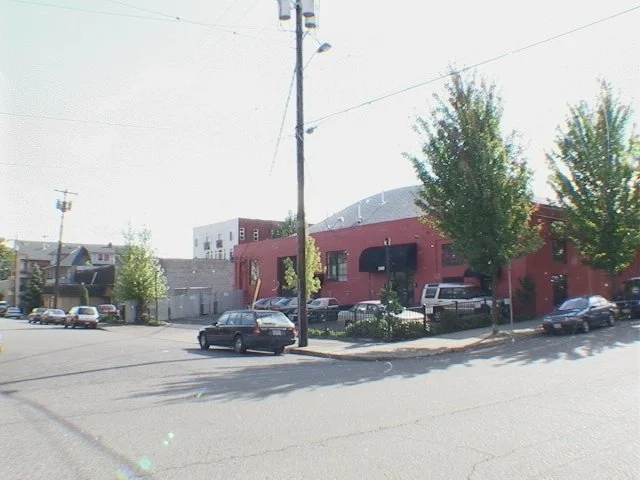
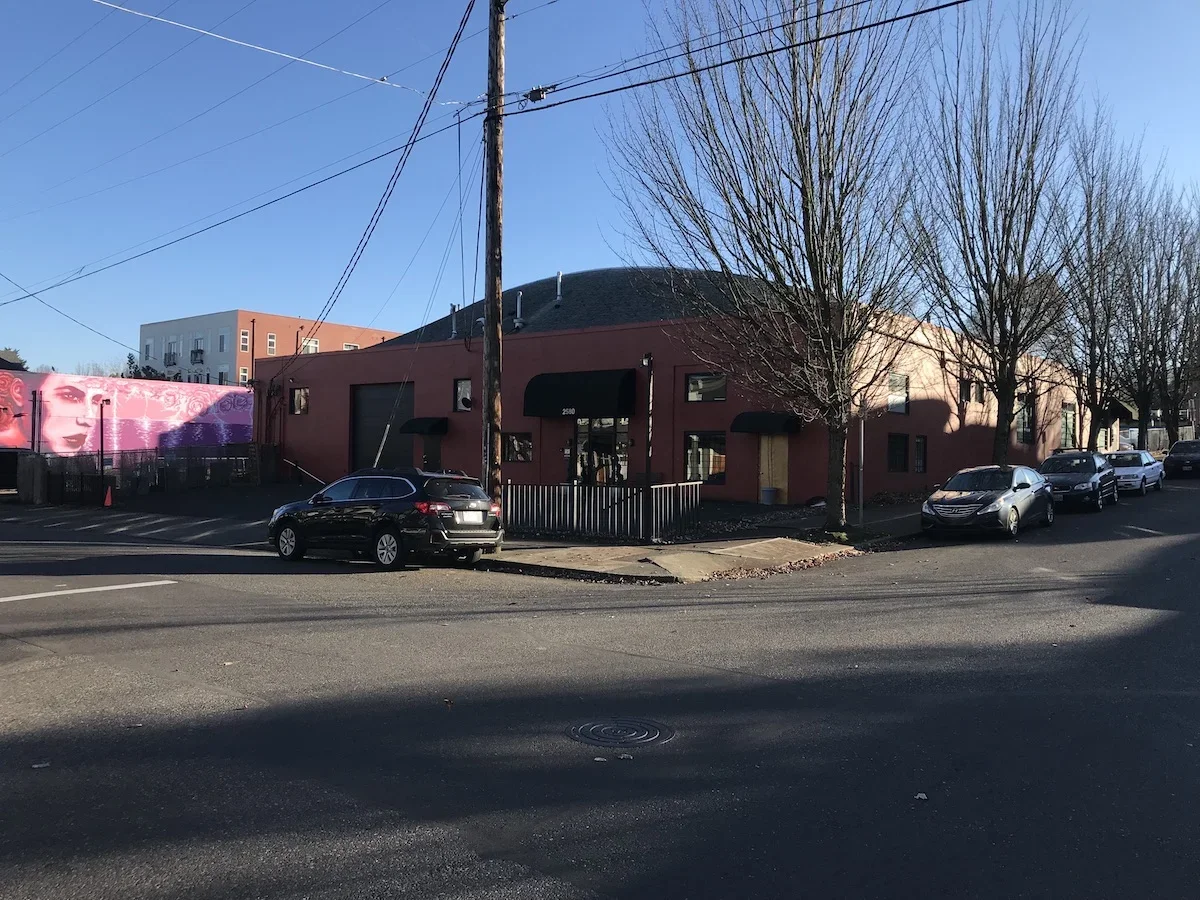
He purchased the historic building at 2580 NW Upshur Street—the former creative home of claymation pioneer Will Vinton. Snazelle transformed it into a true, premium soundstage with heavy-duty acoustic insulation and cutting-edge infrastructure. During the late 1990s, the facility’s 35mm editing bay had the distinction of being the exact spot where the Hollywood feature film Mr. Holland’s Opus was painstakingly cut together.
1999–2001: Passing the Torch
Following Gregg Snazelle’s passing in 1999, his son Craig stepped in to steer the ship, maintaining operations while searching for a buyer who possessed the actual production grit needed to honor the facility’s legacy.
That buyer was Chris Crever. Having spent years working the floor of that very soundstage as an established Camera Assistant, Chris had an intimate knowledge of the building and its potential. He and Craig had already built a strong working relationship from Craig’s time stage-managing the facility, and the two began mapping out a transition on set during a shoot in August of 2000.On January 8, 2001, he leveraged that firsthand experience alongside his background in real estate to make the Upshur building his own—combining a career in the film industry with the tools to invest in it. He inherited not just a brick-and-mortar warehouse, but a living piece of film history.
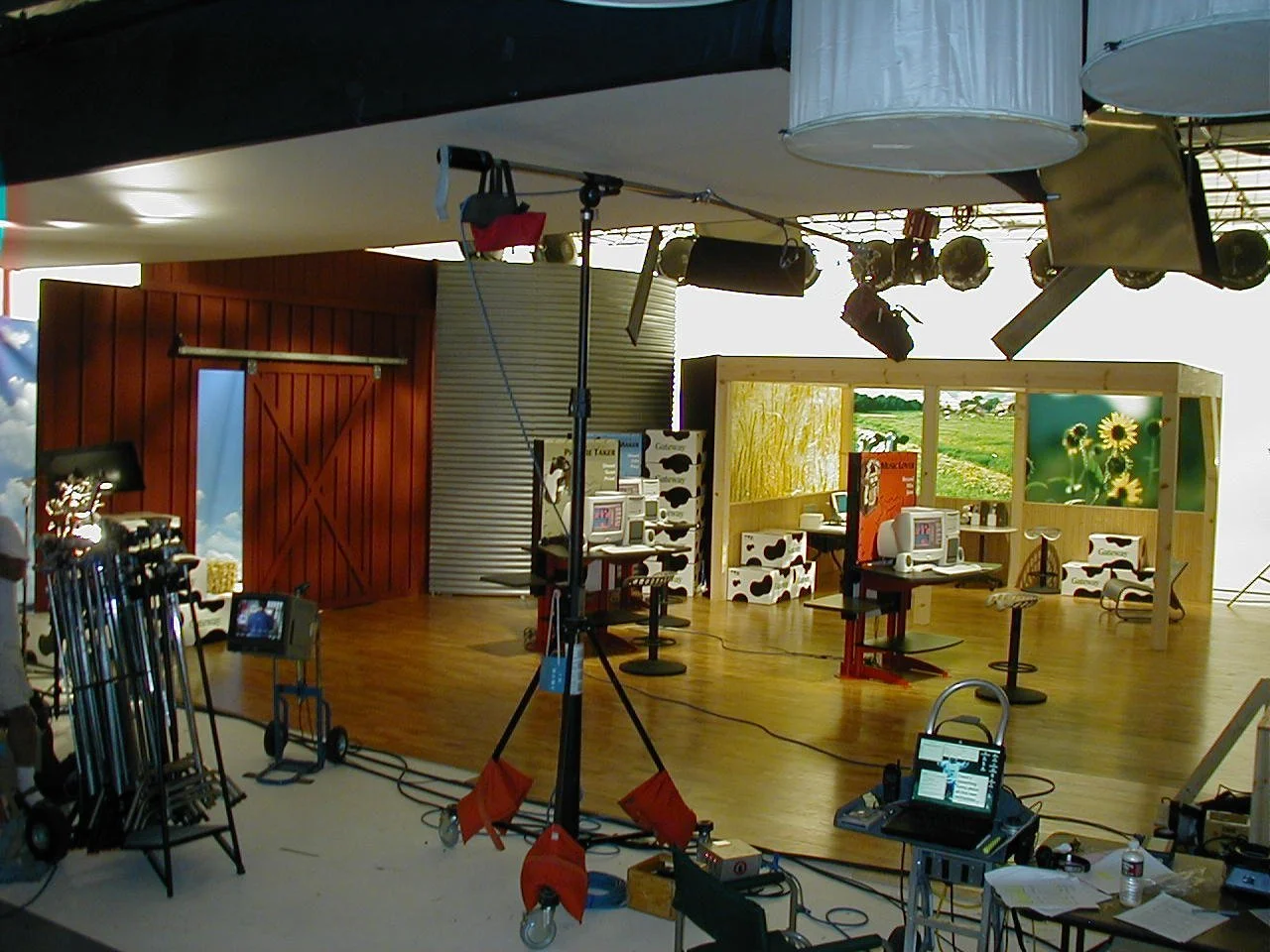
The Evolution of the Stage: Staying Ahead of Economic and Technological Shifts
Taking ownership of a commercial studio in January 2001 meant immediately facing some of the most turbulent decades in modern economic and industry history. Just seven months in, the industry ground to a halt following the September 11th attacks. Seven years later, the 2008 global recession wiped out traditional commercial ad spends overnight.
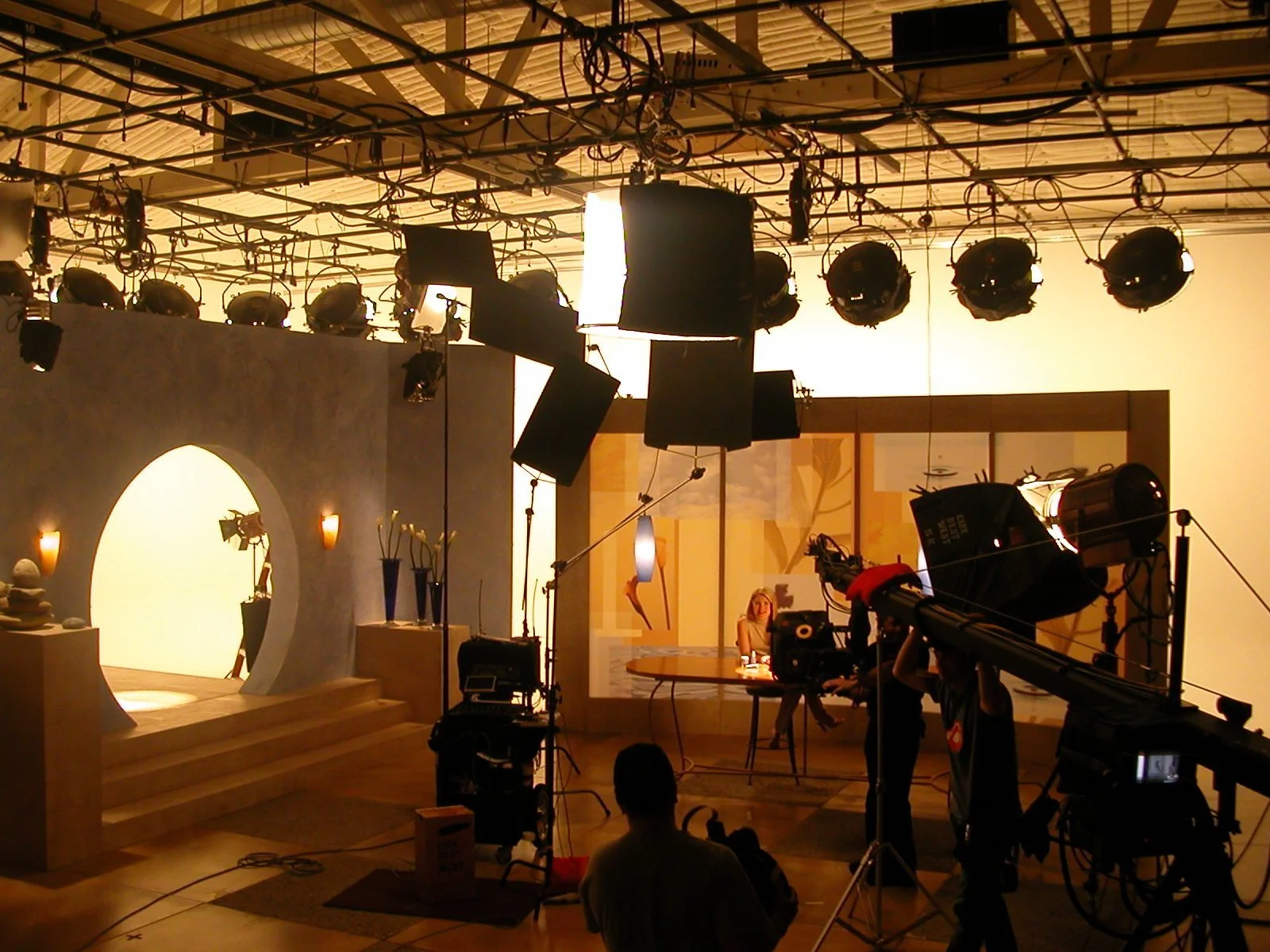
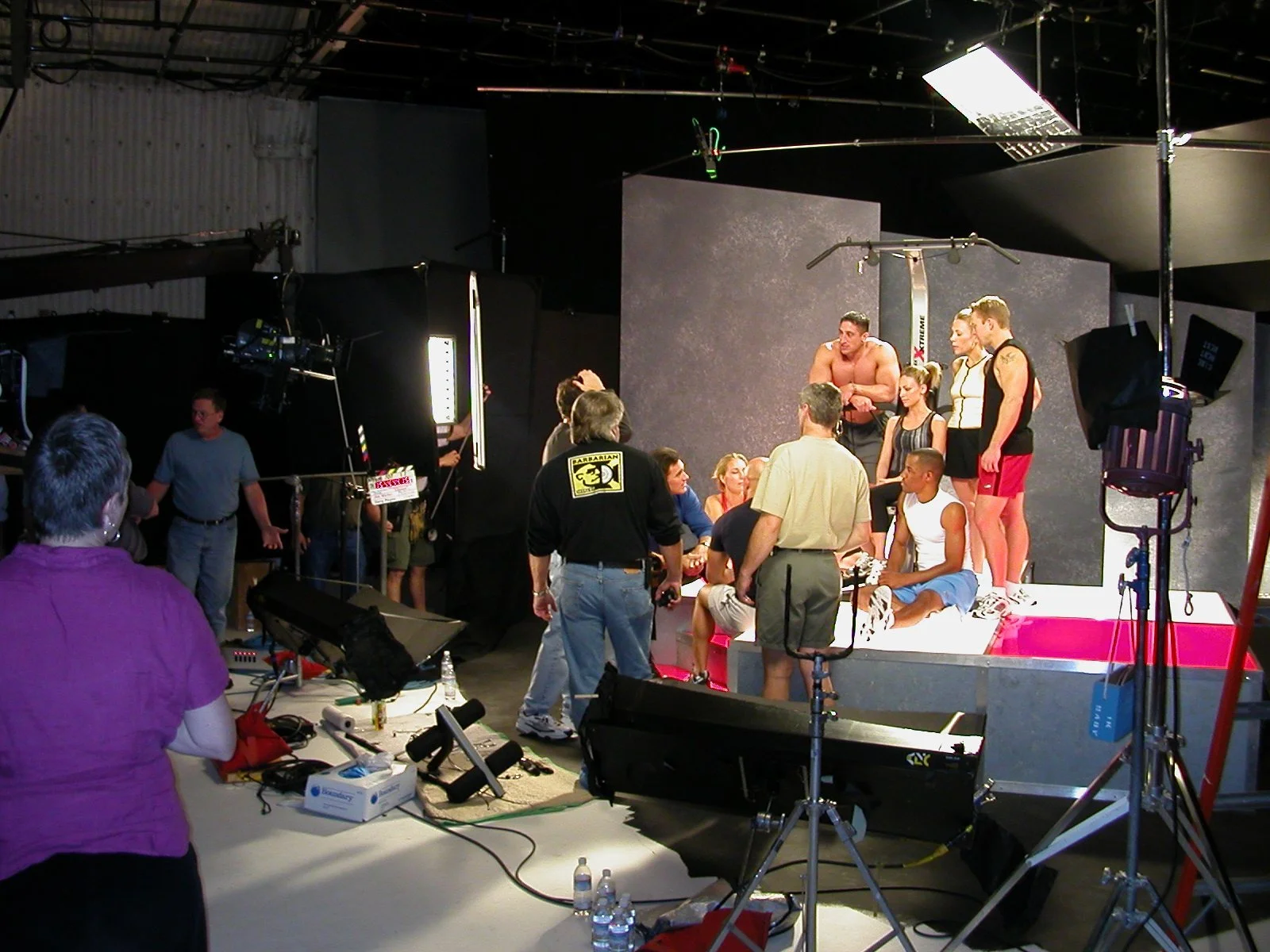
Yet every single time the industry shifted, Cine Rent West adapted. When massive commercial clients temporarily pulled production out of Portland in 2009, the studio launched the Cine Rent West Movie Camp, partnering with local school districts and the NW Film Center to keep the space alive as a vital community and educational hub. As film stock gave way to digital sensors, the facility underwent massive technological overhauls to stay ahead of the curve.
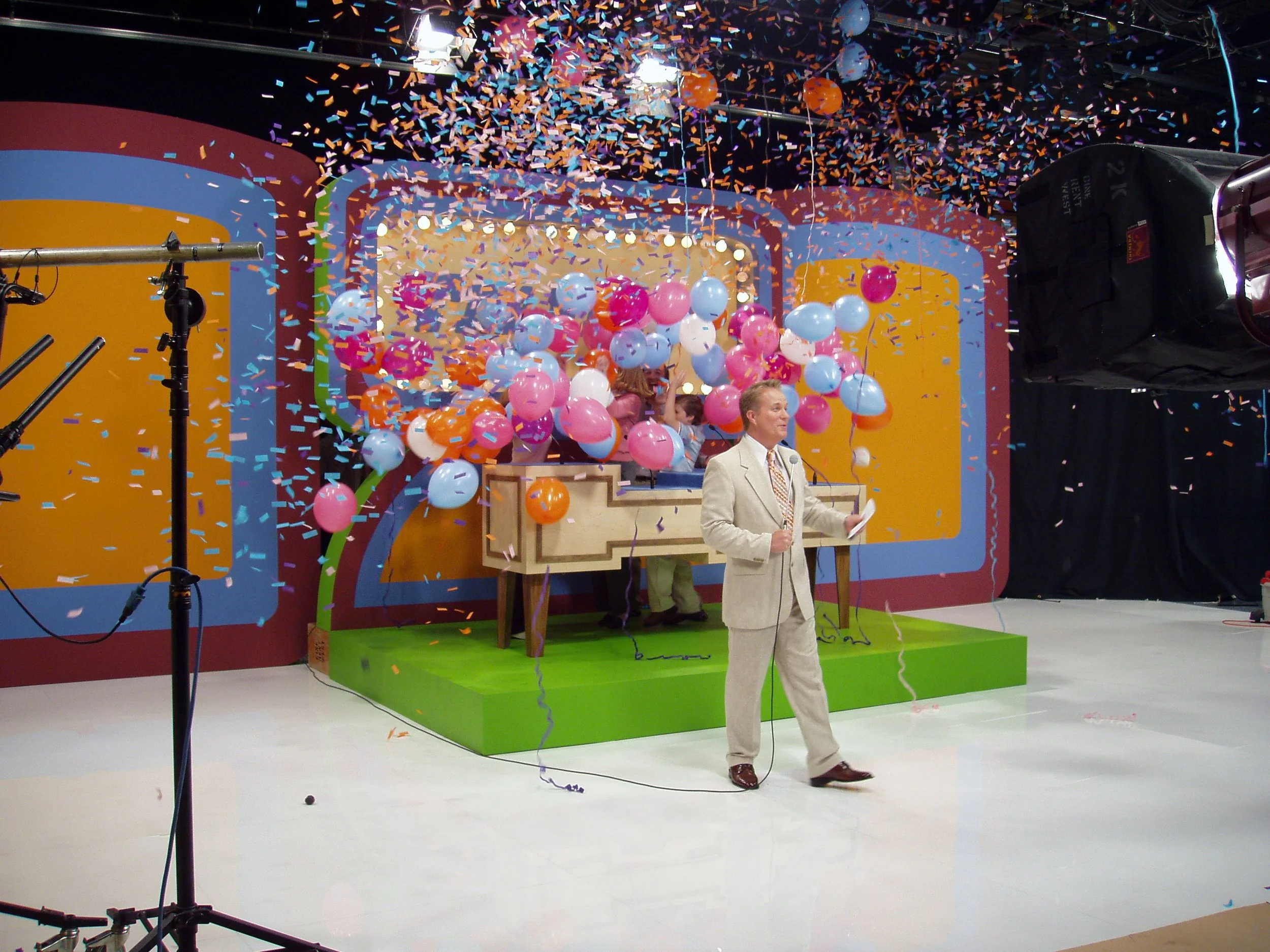
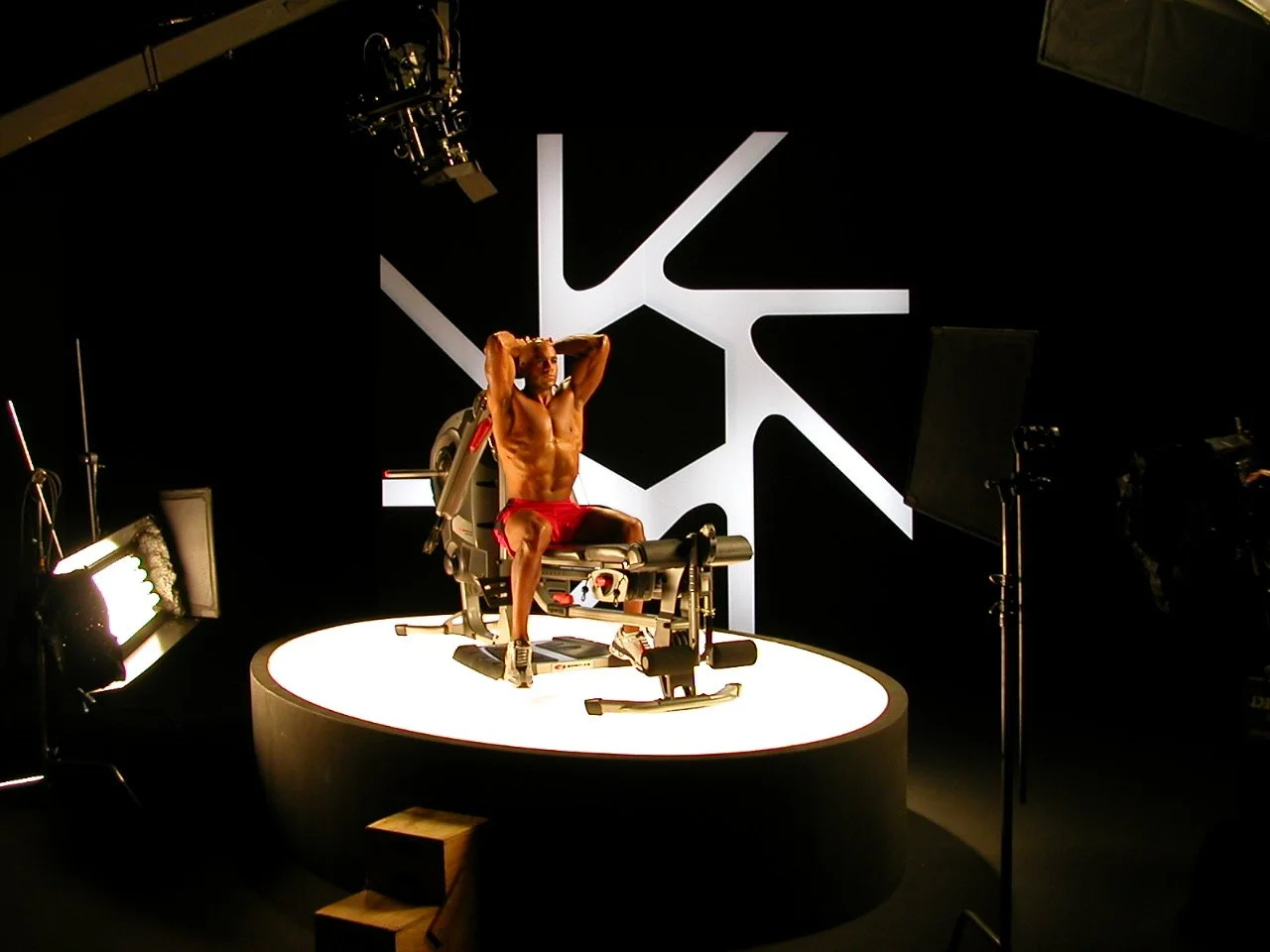
Making It Up As We Go: Inside Old Spice’s Absurdly Brilliant Real-Time "Response" Campaign
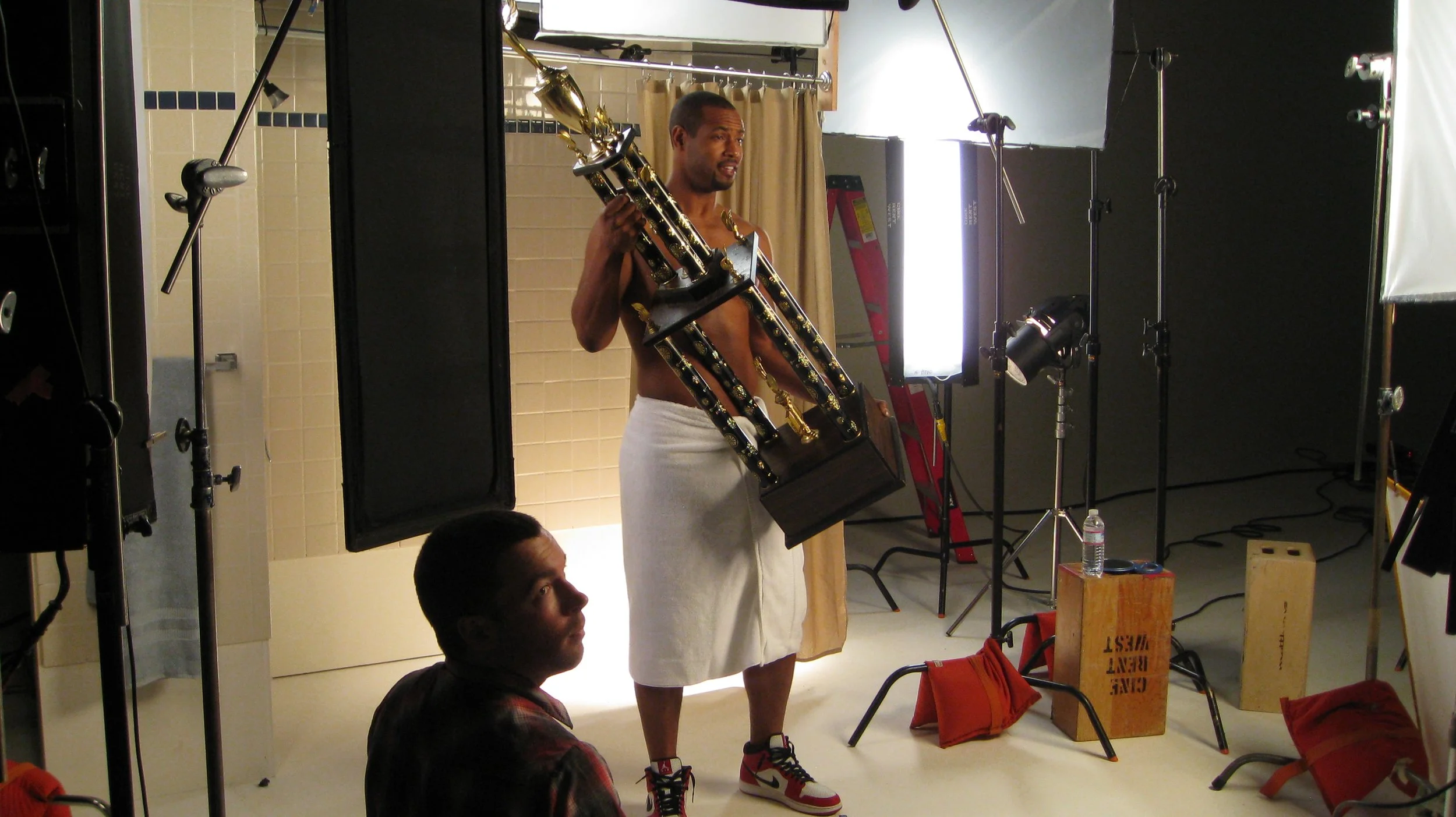
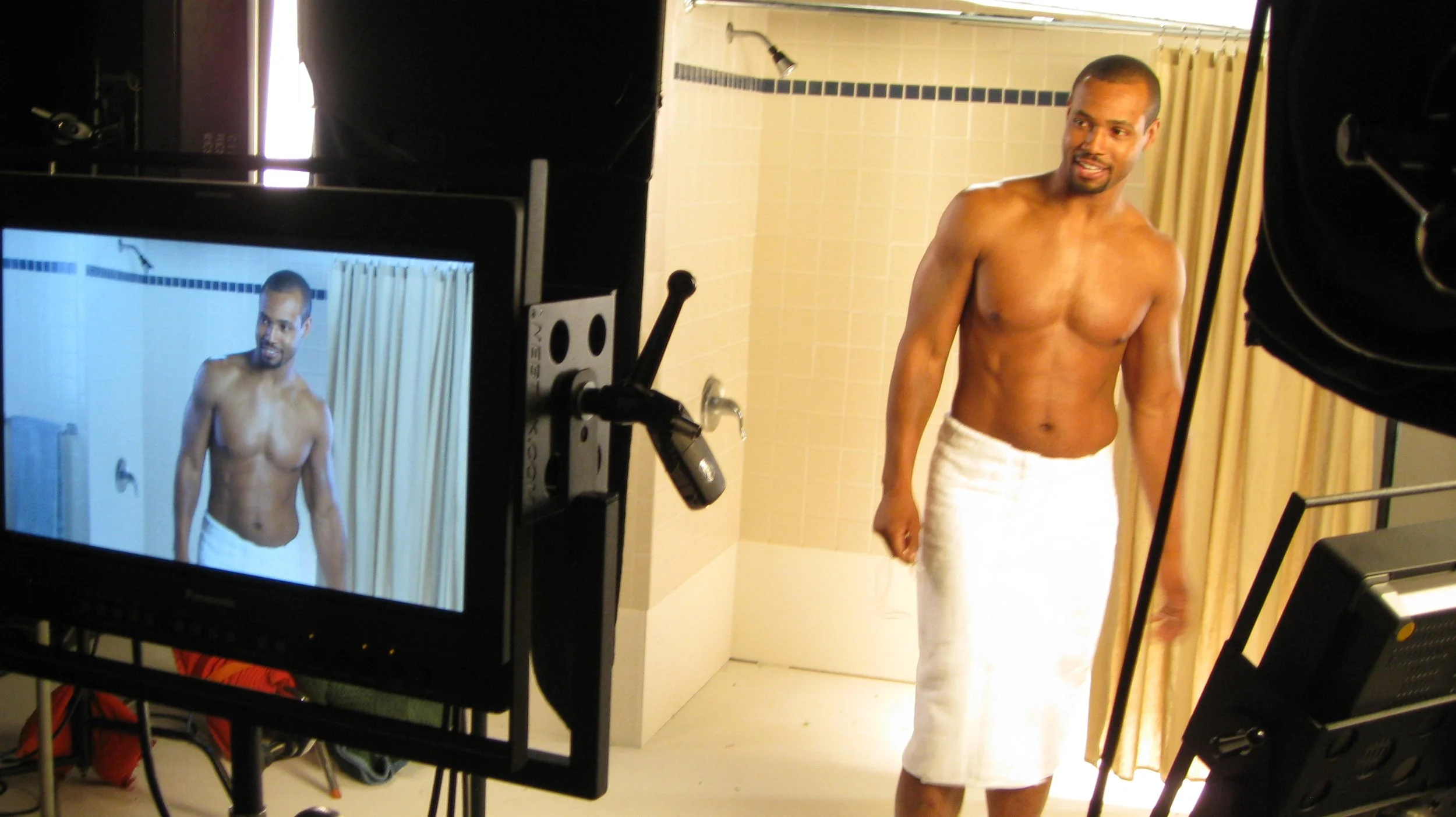
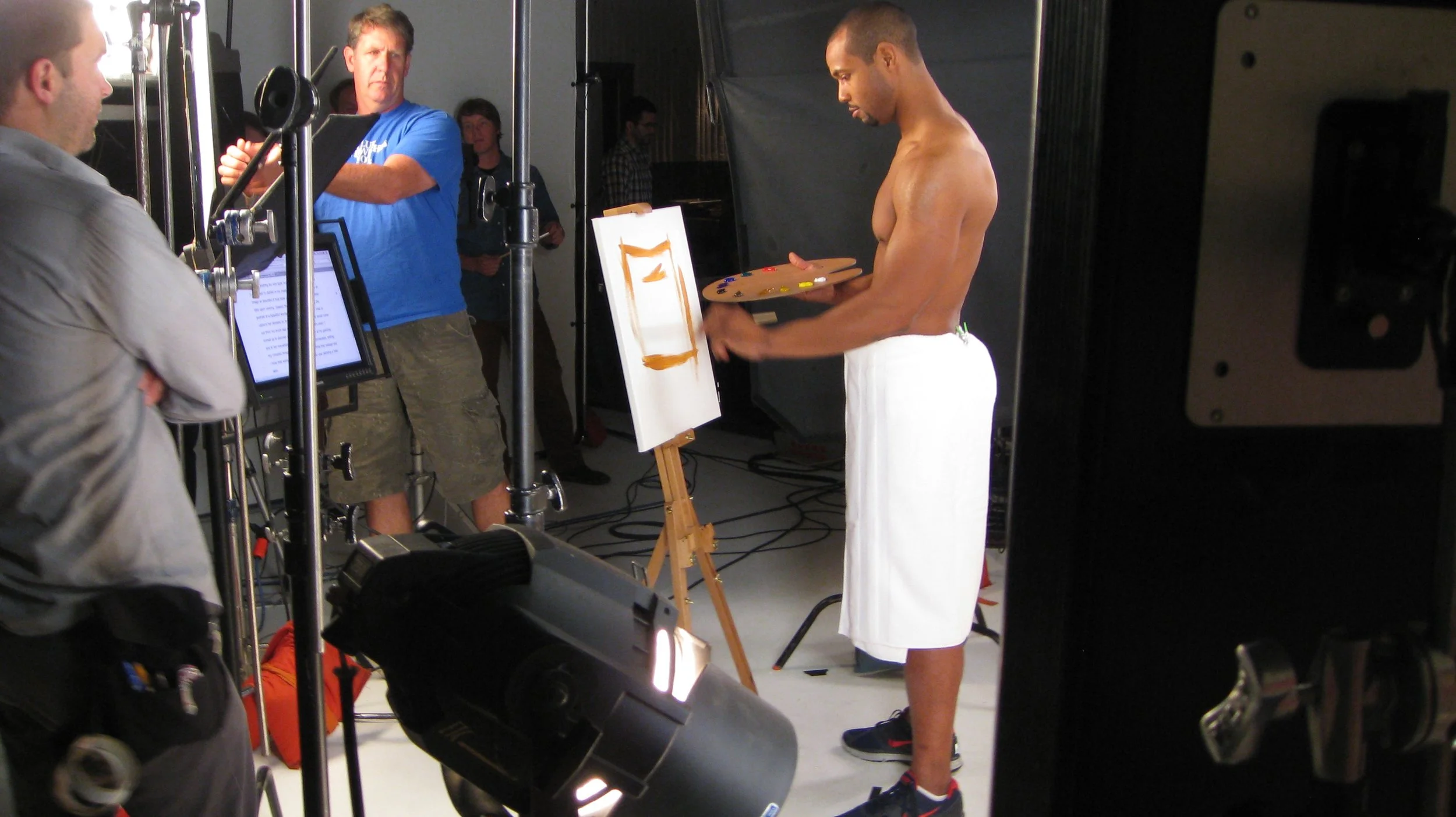
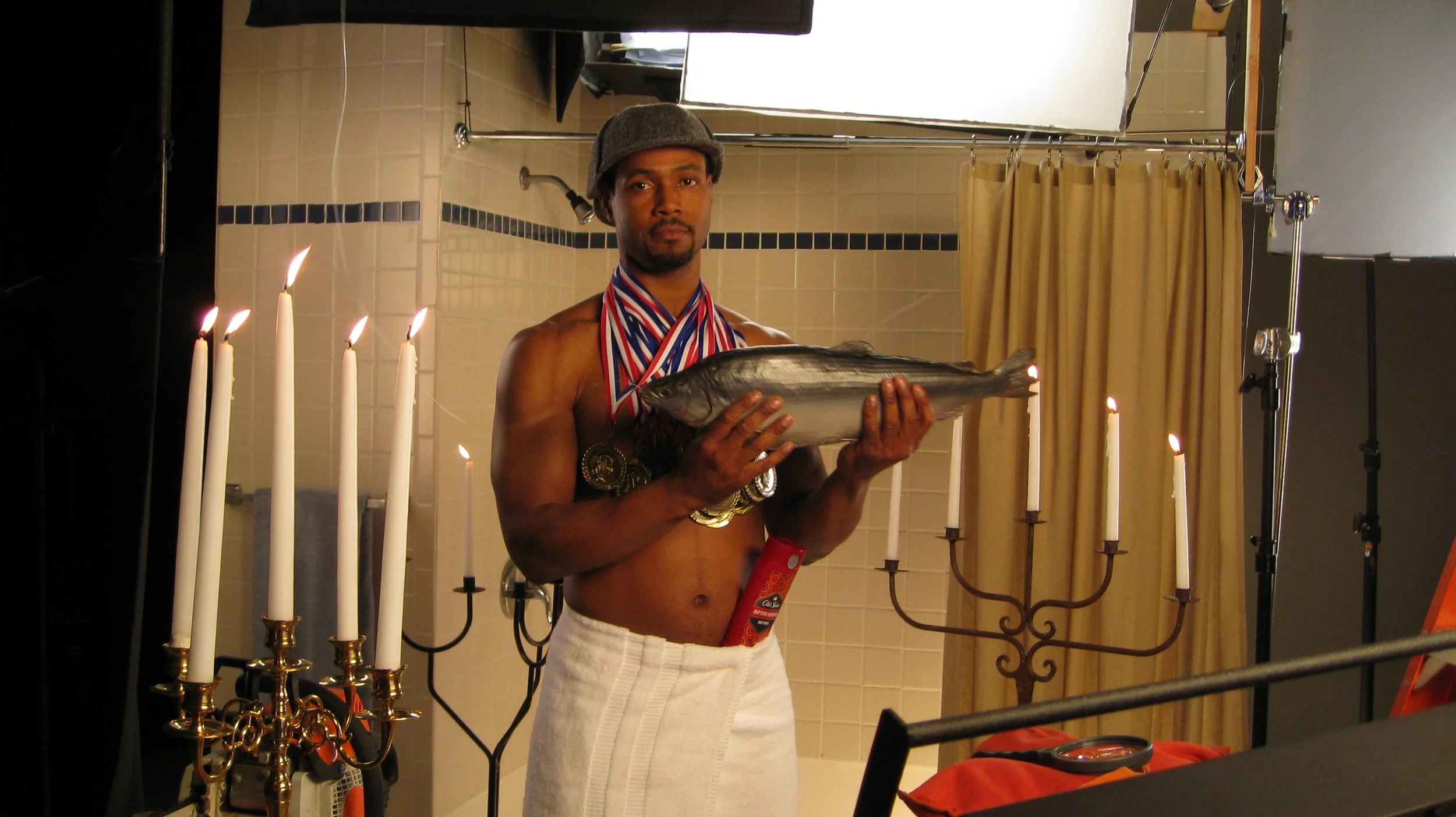
In July 2010, the legendary Wieden+Kennedy ad agency walked onto our stage with an unprecedented idea: create a real-time, social-media-driven commercial campaign.
For three straight days, our soundstage was transformed into a hyper-speed production machine. Teams of writers worked in rotating shifts monitoring Twitter and Reddit, while our stage was stacked to the ceiling with hundreds of random props. Isaiah Mustafa (“The Old Spice Man”) stood on our floor as the crew shot, cut, and uploaded 186 distinct video spots—often turning a concept into a live YouTube upload within 45 minutes.
On the final day, the campaign exploded so dramatically that Good Morning America and George Stephanopoulos broadcast live via satellite directly from our facility. The campaign went on to double Old Spice’s sales, win a Primetime Emmy, and take home the Cannes Lions Grand P
2018: The Strategic Move & The Great Salvage
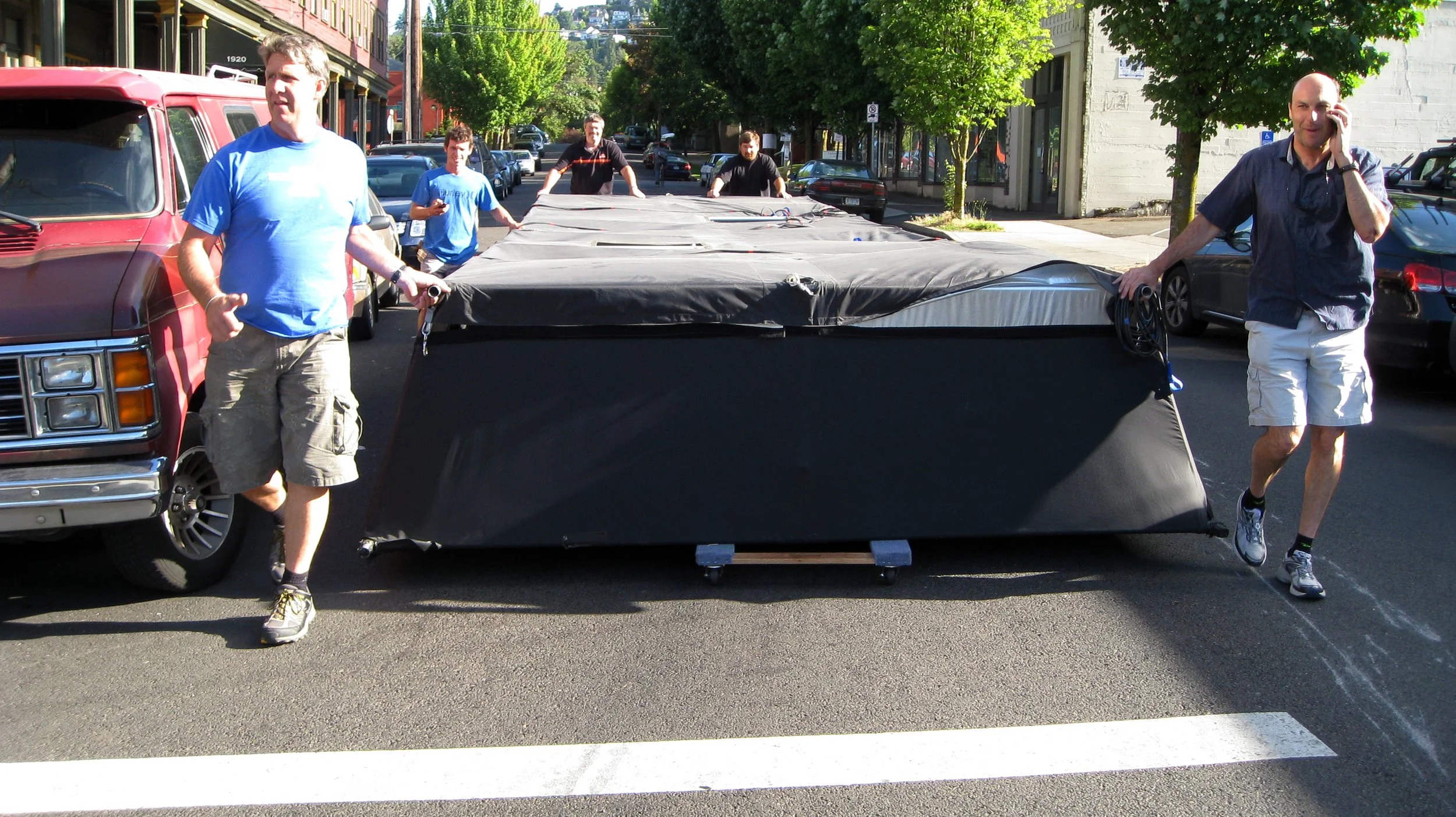
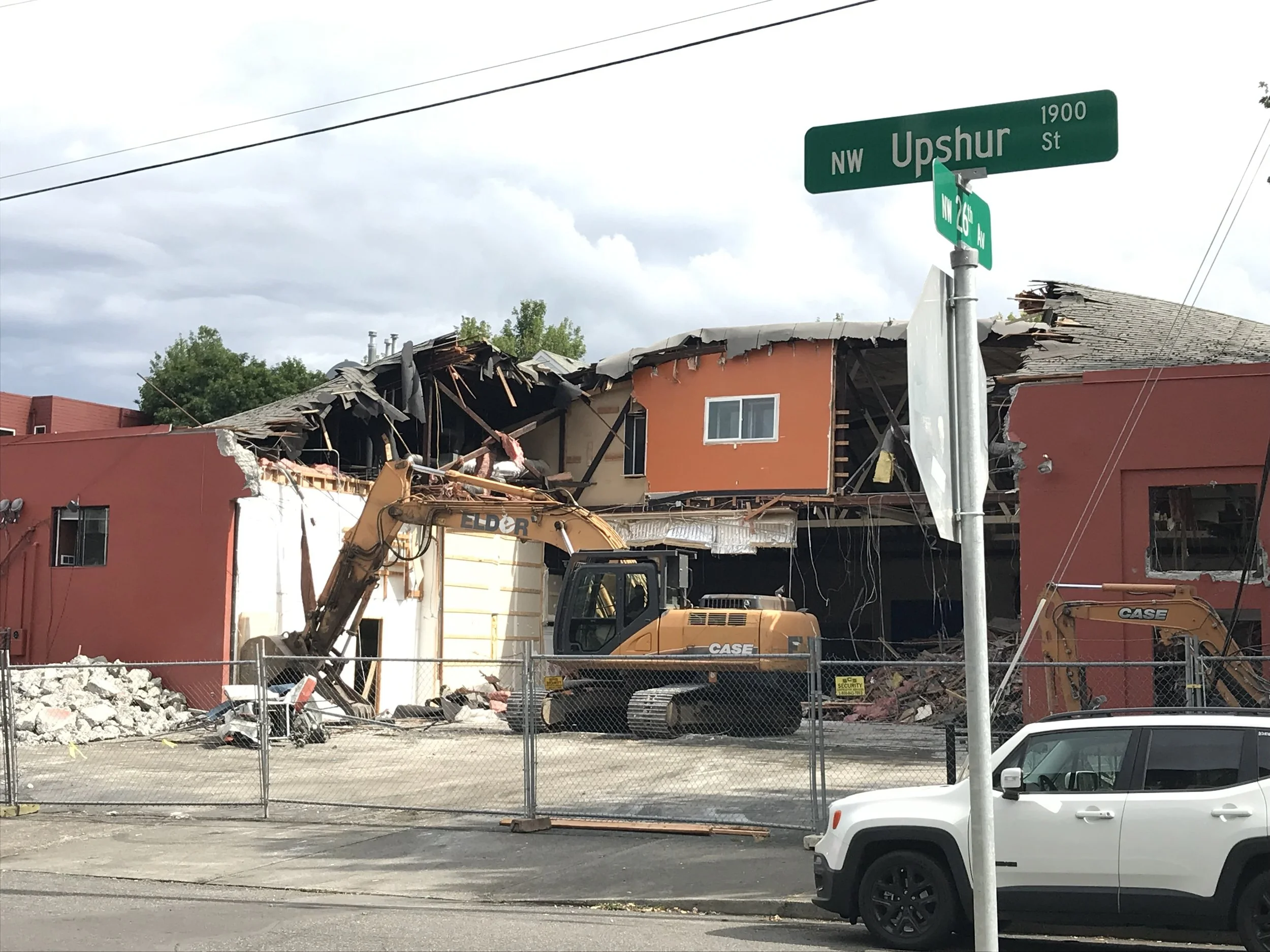
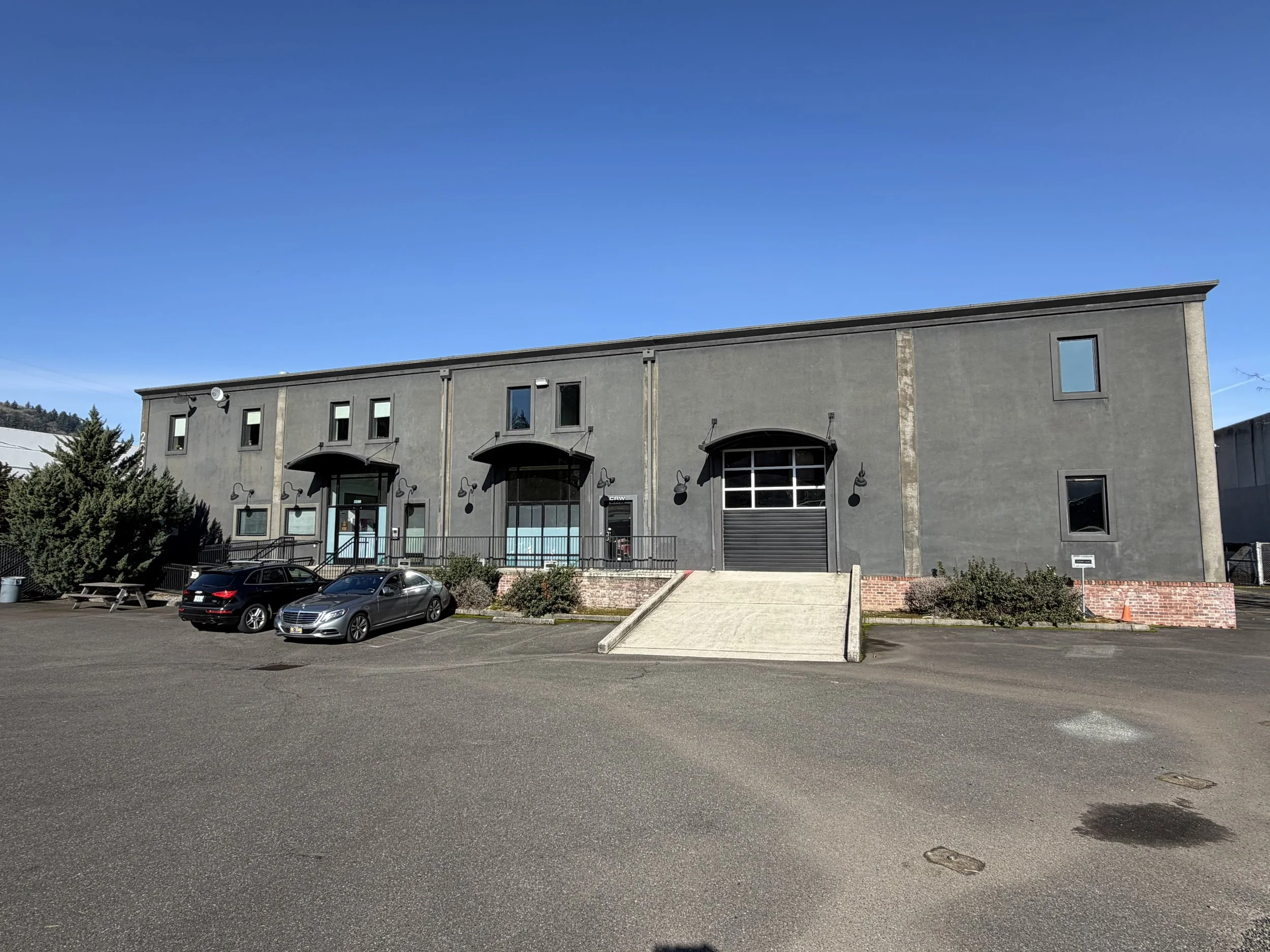
In early 2018, Chris made a deliberate strategic decision: sell the Upshur building and relocate Cine Rent West to a larger, better-situated home. Having owned the property since 2001, he negotiated its sale to developer and used the proceeds to purchase a new facility just six blocks away, relocating permanently to the highly protected Guild’s Lake Industrial Sanctuary (GLIS) at 2330 NW 31st Avenue. By stepping inside the sanctuary, the studio permanently left behind the residential parking and trucking headaches that had always constrained the Upshur block.
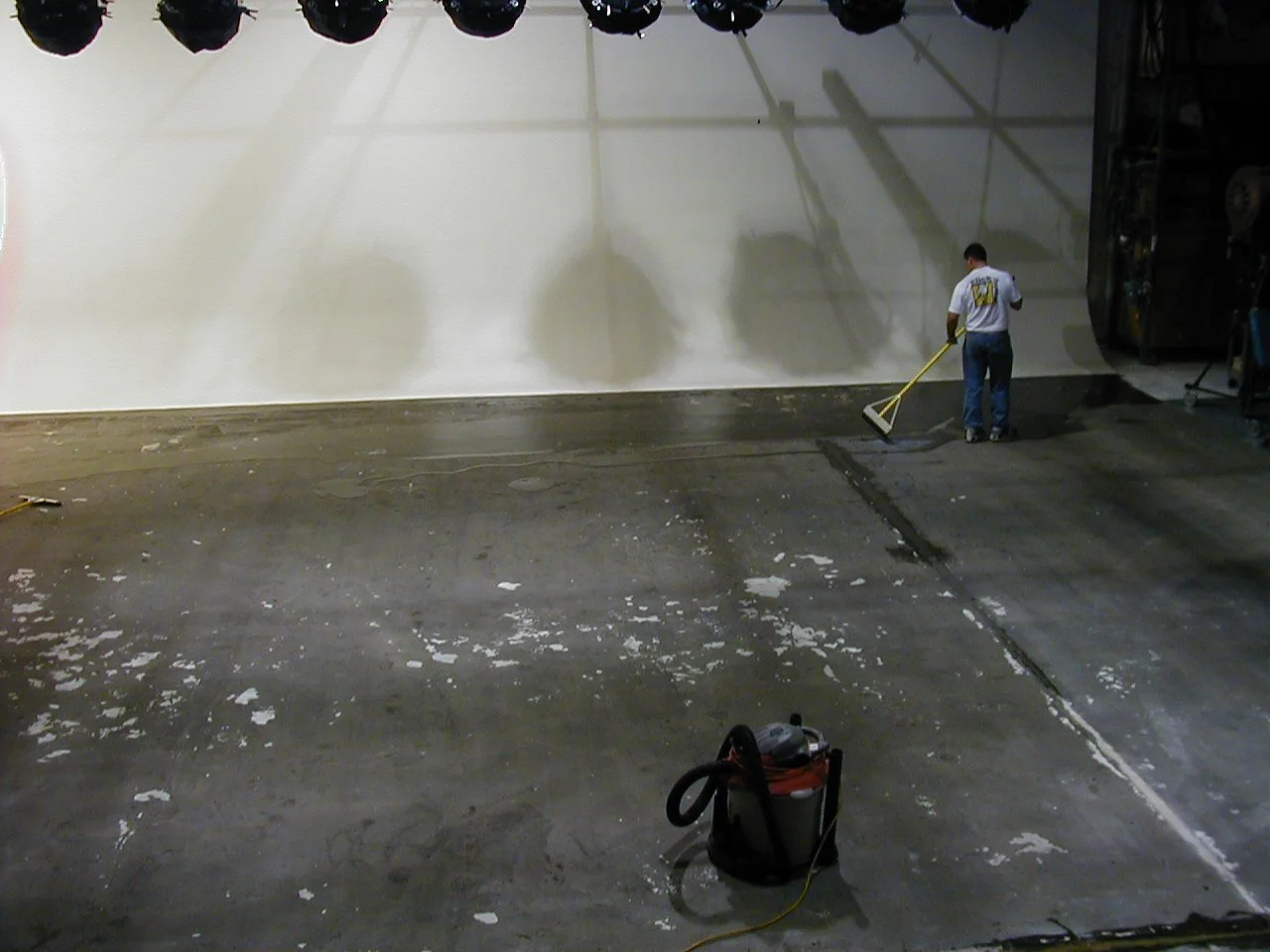
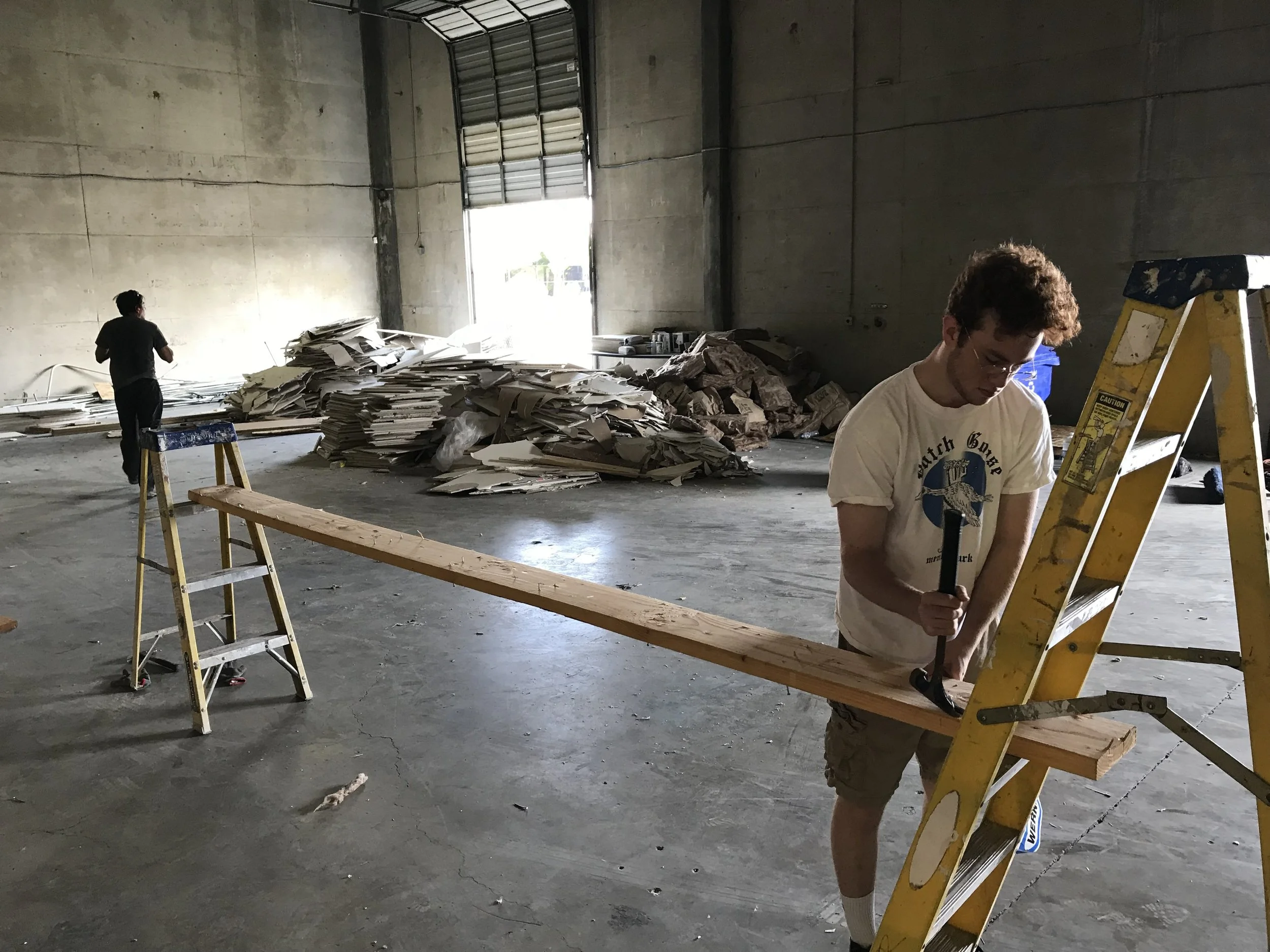
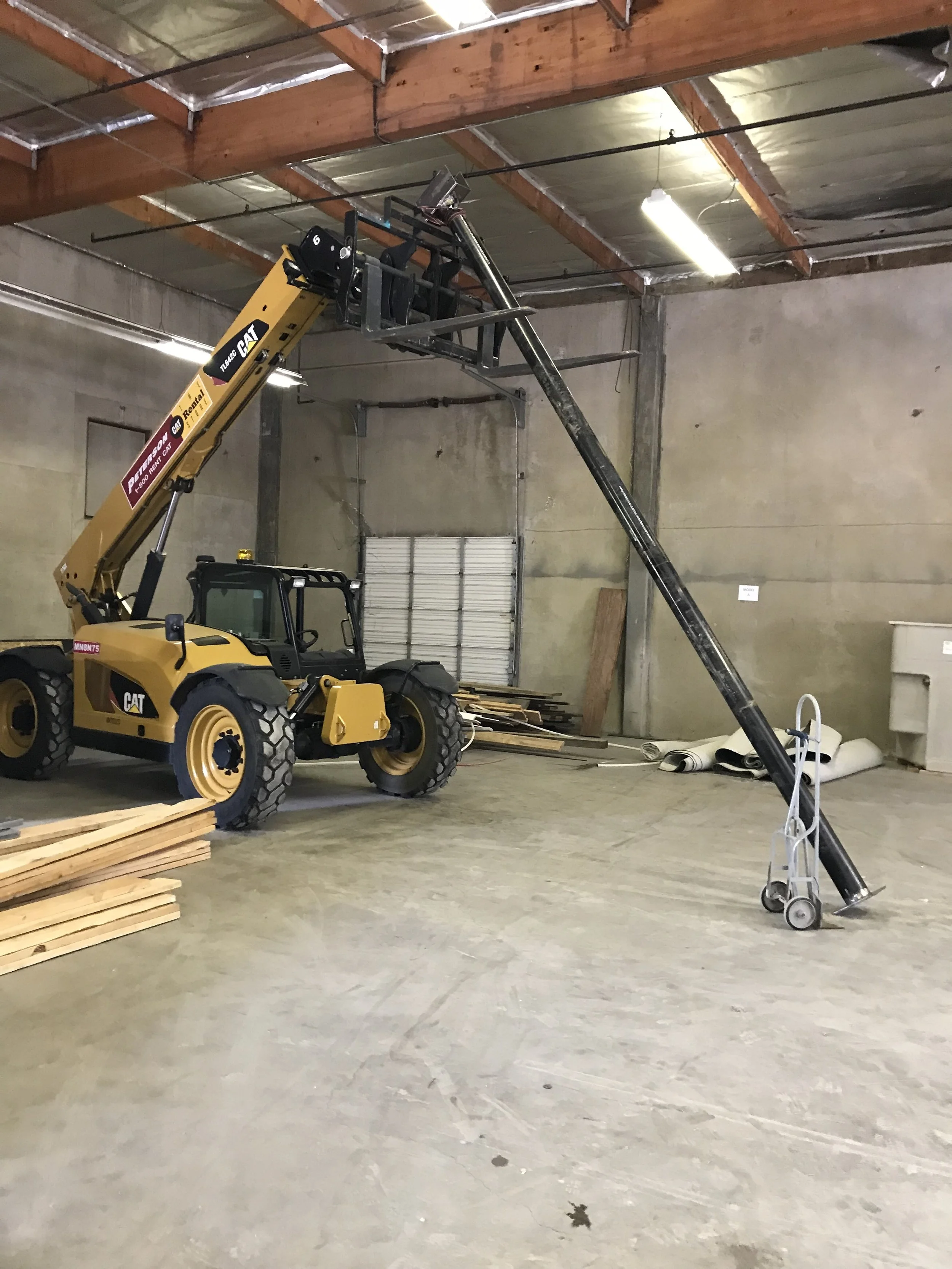
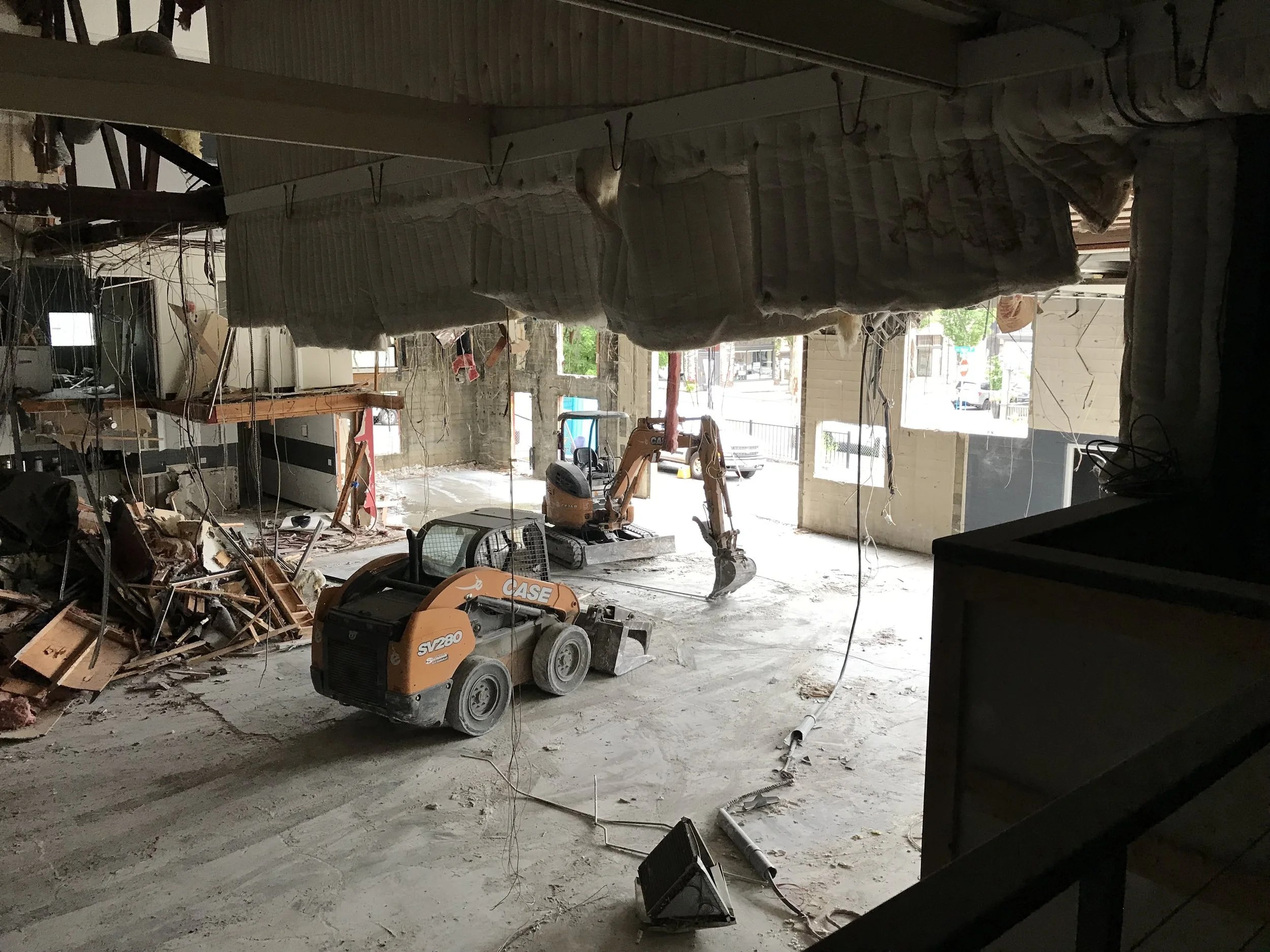
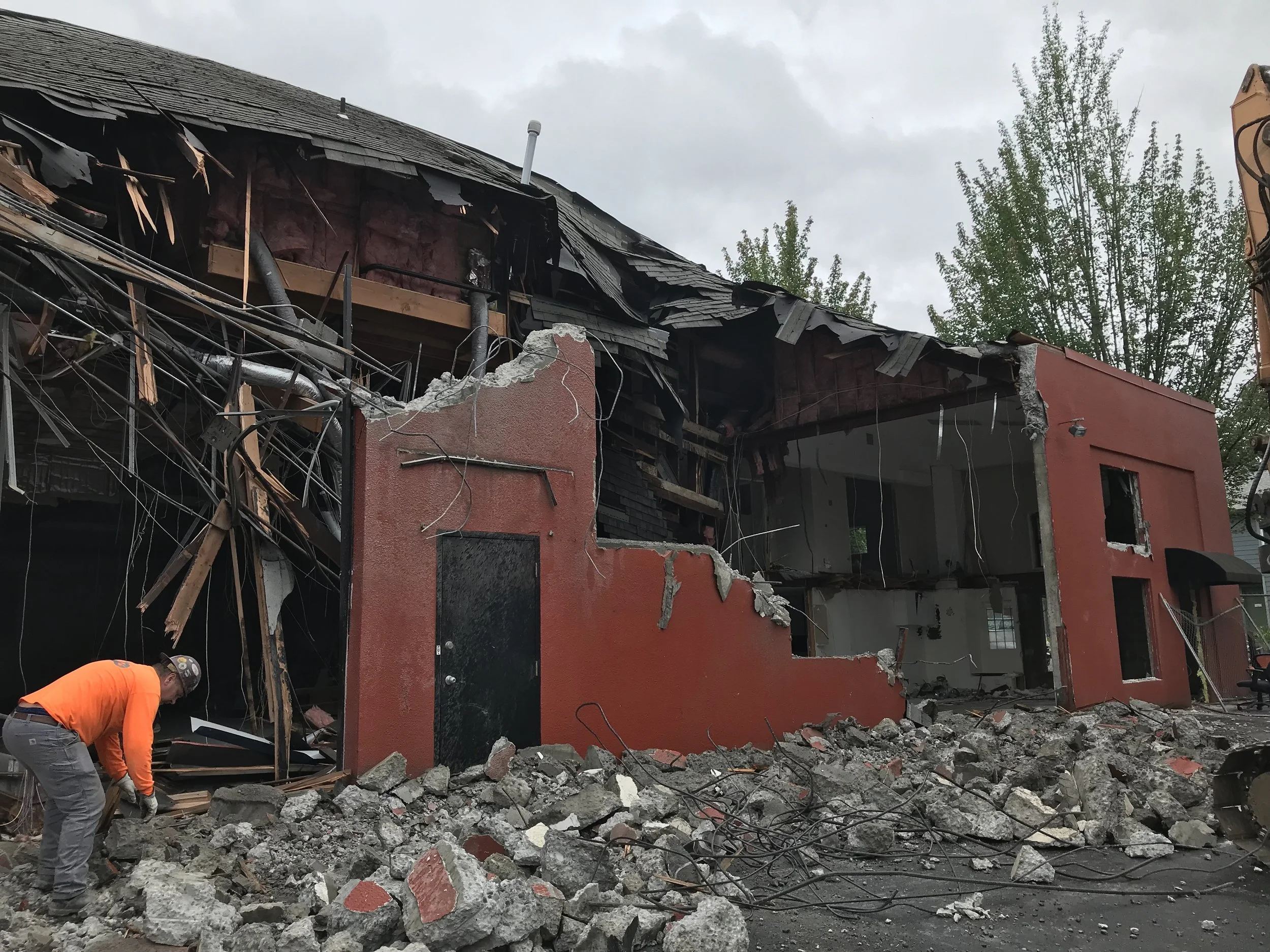
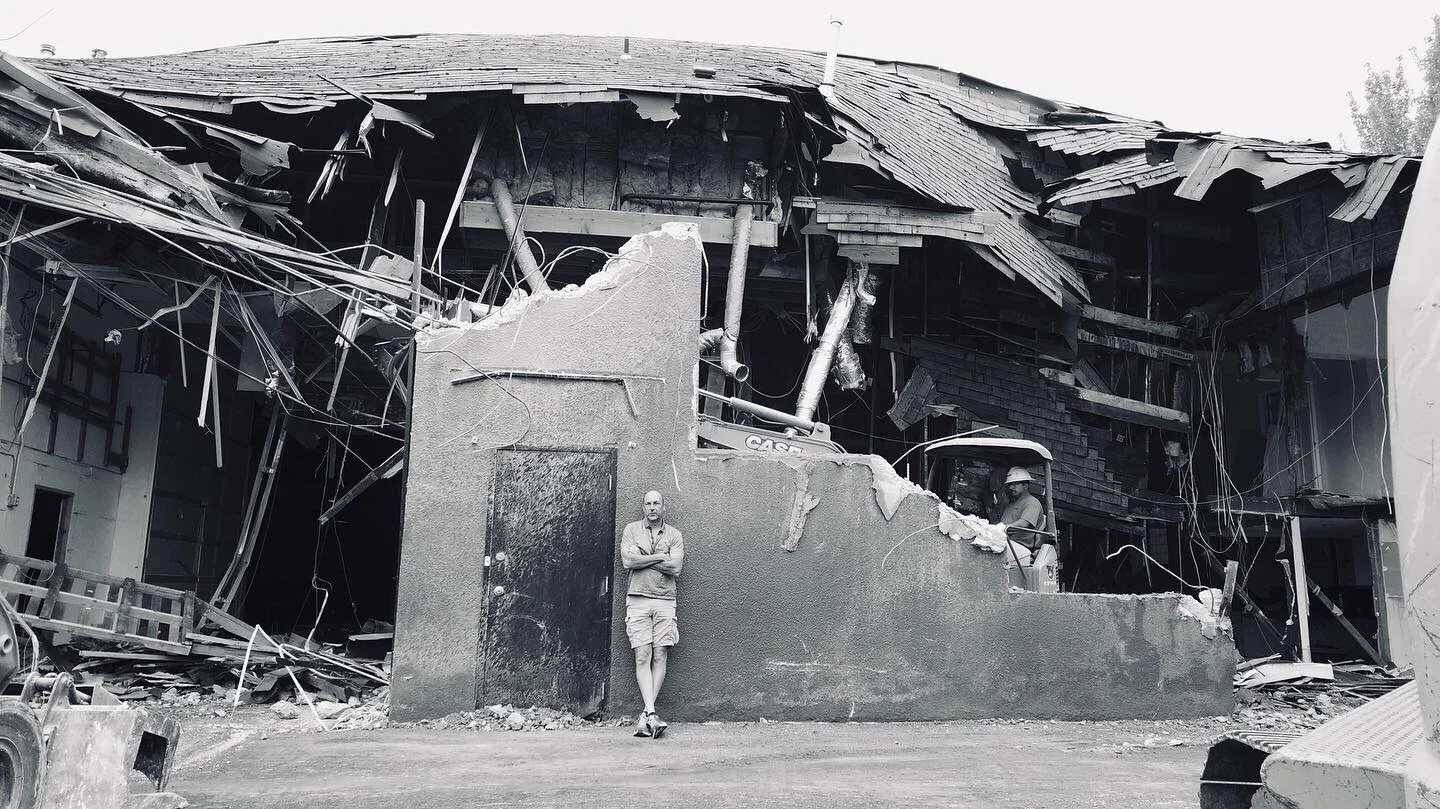
Before demolition crews moved in, the team executed a textbook salvage operation—stripping the Upshur facility entirely clean of years of upgrades: the power grid, electrical distributions, HVAC systems, acoustic insulation, and the cyc walls, right down to the industrial doors, windows, and appliances.
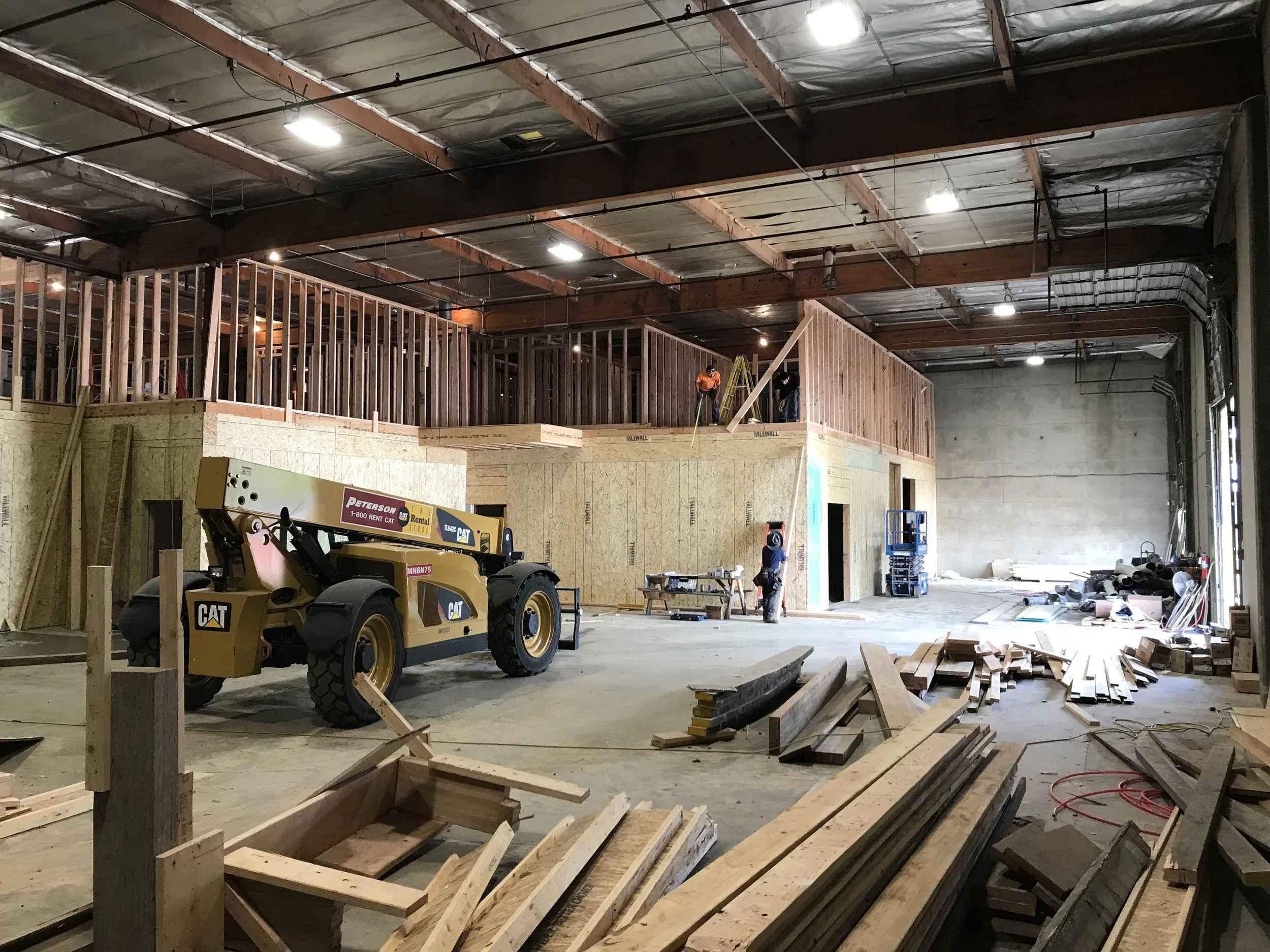
The new 31st Avenue building closed in August 2018. Armed with a deadline to completely vacate Upshur by December 5th, the hammers flew instantly. Between permits, construction crews, and an all-hands-on-deck push, the team completely recreated the Cine Rent West space in just 115 days—achieving a world-class facility at a fraction of the cost of building from scratch.
2020: The Pandemic Shockwave & The “Dumb Luck” Layout
The new 31st Avenue stage was humming through 2019—production trucks finally had room to breathe, and the workflow was seamless. Then, in early 2020, COVID-19 changed the narrative overnight.
Like the rest of the entertainment world, traditional commercial shoots ground to a halt. But while the physical world was locked down, the demand for virtual gatherings and live-streamed events instantly exploded. Everyone needed to stream—but nobody had a safe space to do it.
That is where a bit of operational foresight—and what can honestly be called pure dumb luck—came into play. When the 2330 building was designed back in 2018, the interior flow was mapped to move crews and gear efficiently. As it turned out, that exact layout was perfectly configured to meet strict COVID safety protocols, enabling a seamless, one-way directional flow that kept crews entirely isolated and safe.
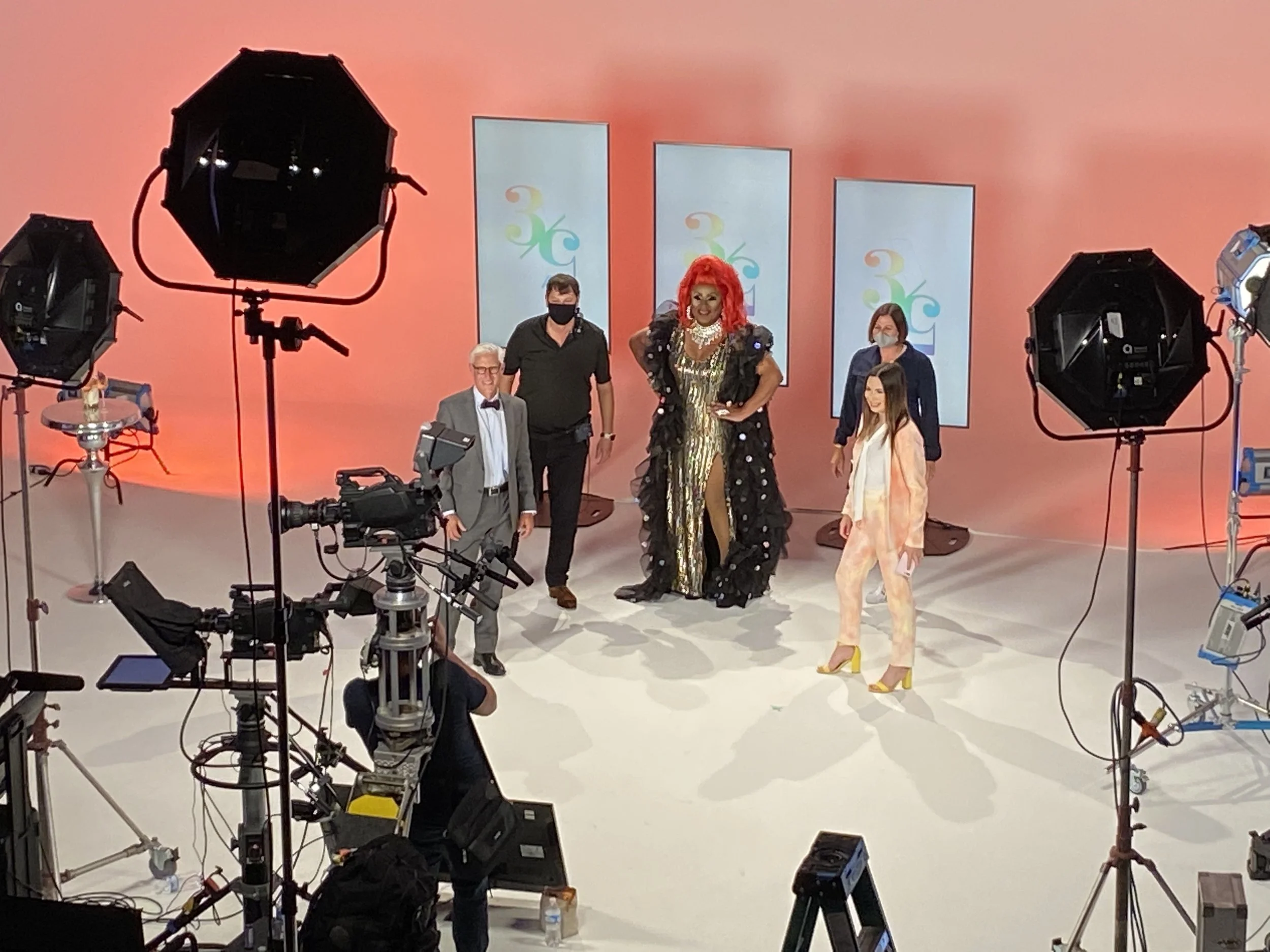
Recognizing what they had, the studio immediately partnered with live-event production masters MeyerPro just down the street. Together, they transformed the massive, empty soundstage into a state-of-the-art virtual broadcast hub—hosting and globally streaming high-stakes corporate panels, critical non-profit galas, and remote graduations throughout the darkest months of the pandemic
The Content Renaissance & The Shift to Experiential
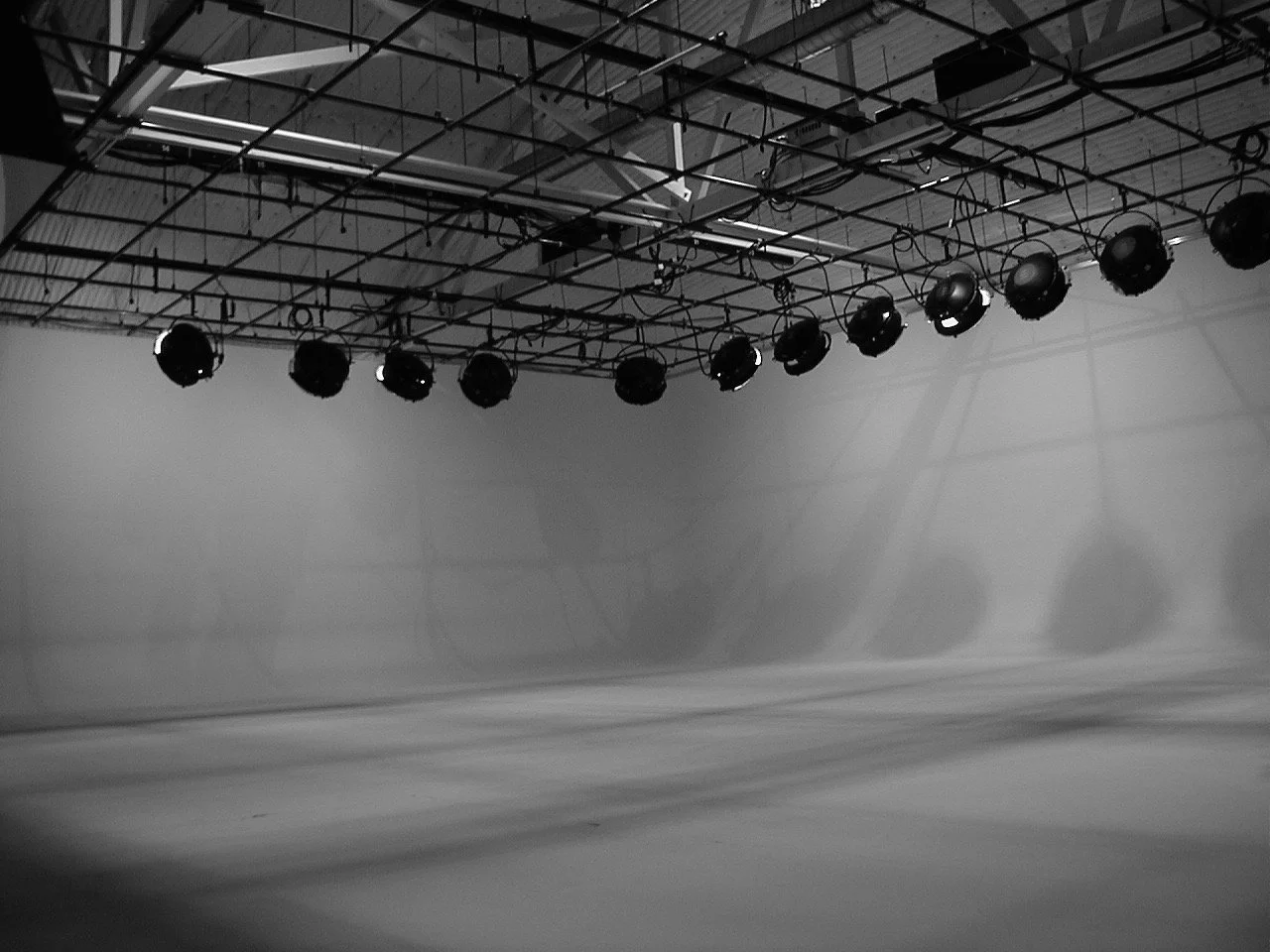
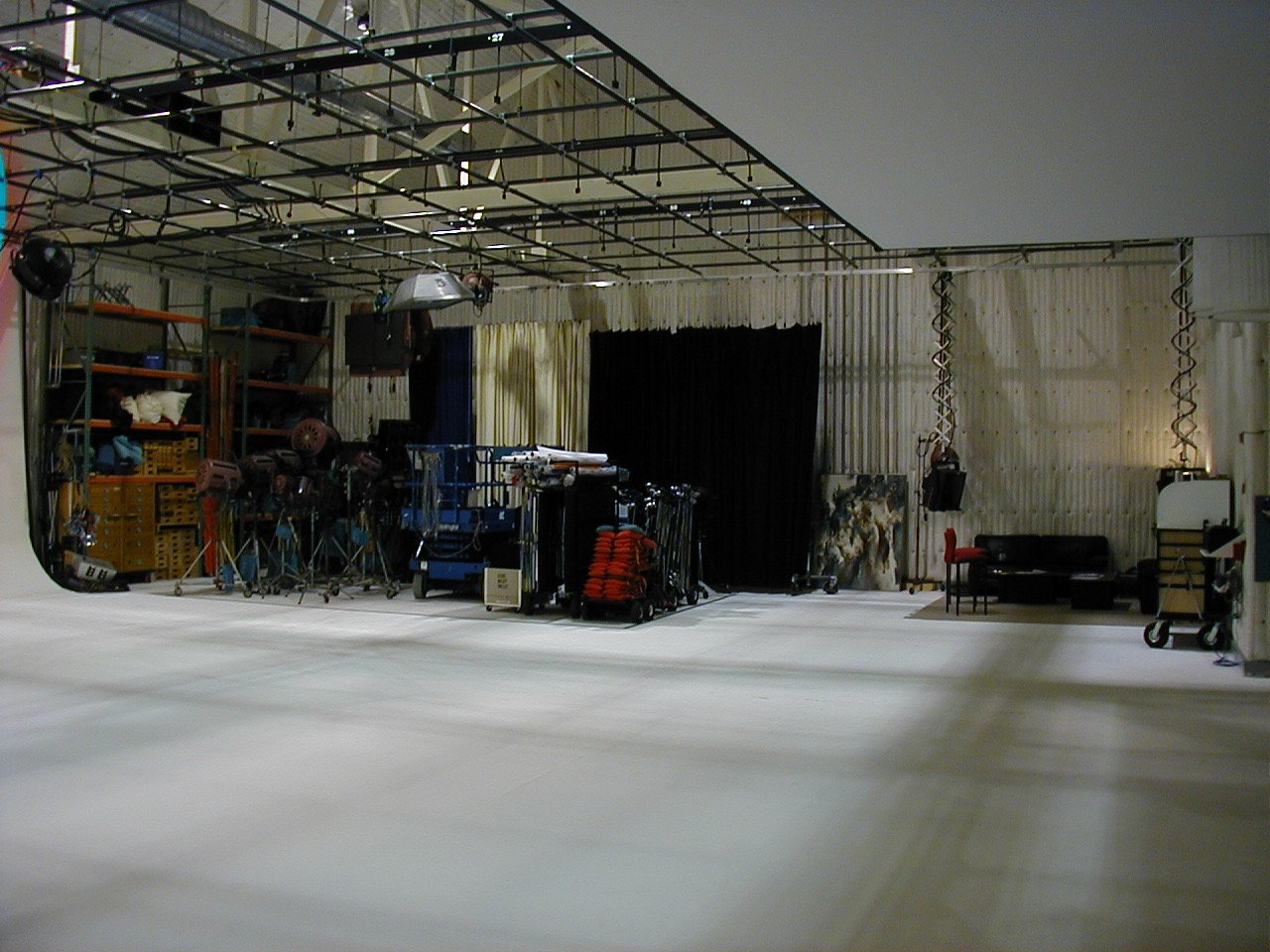
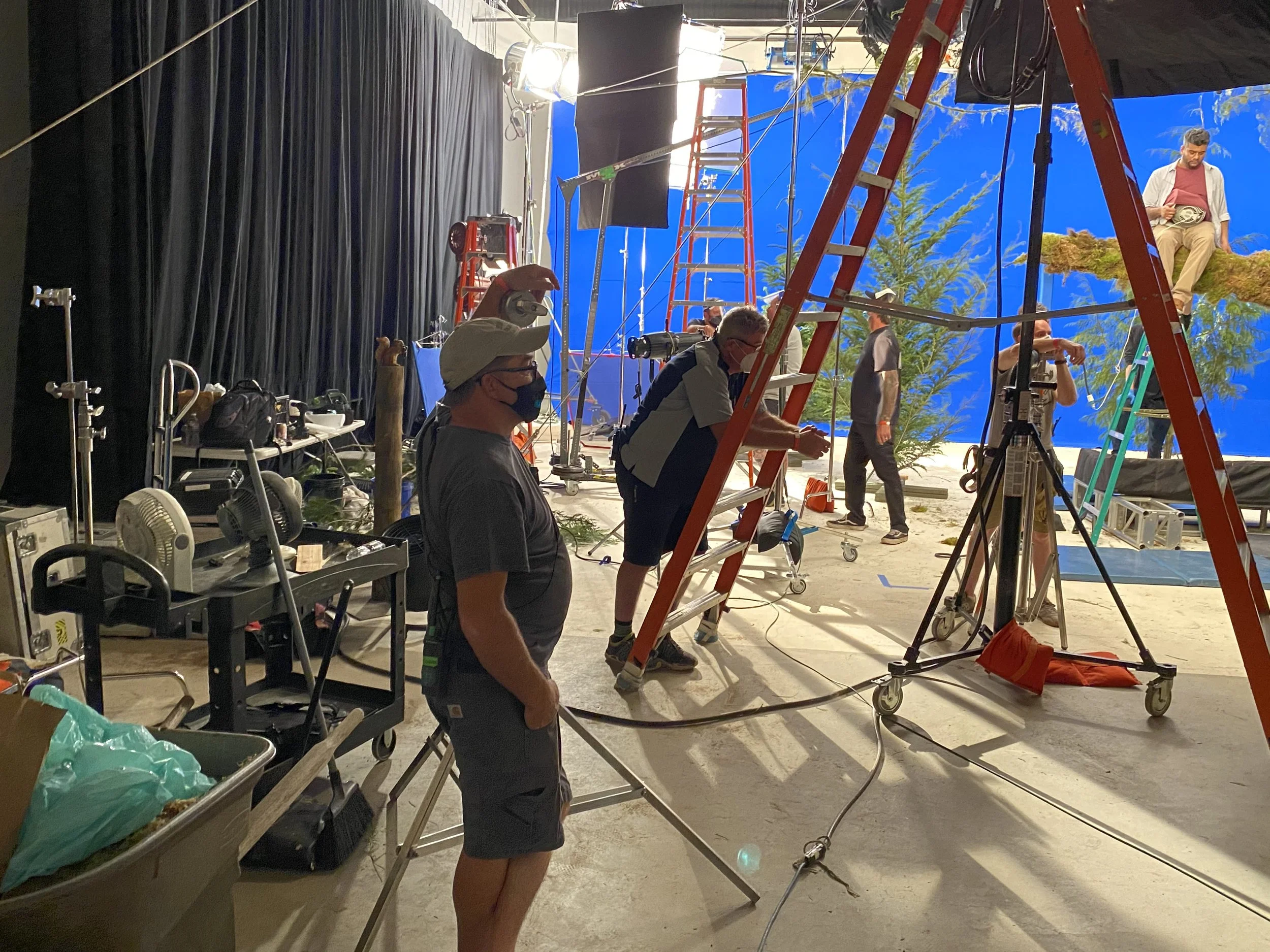
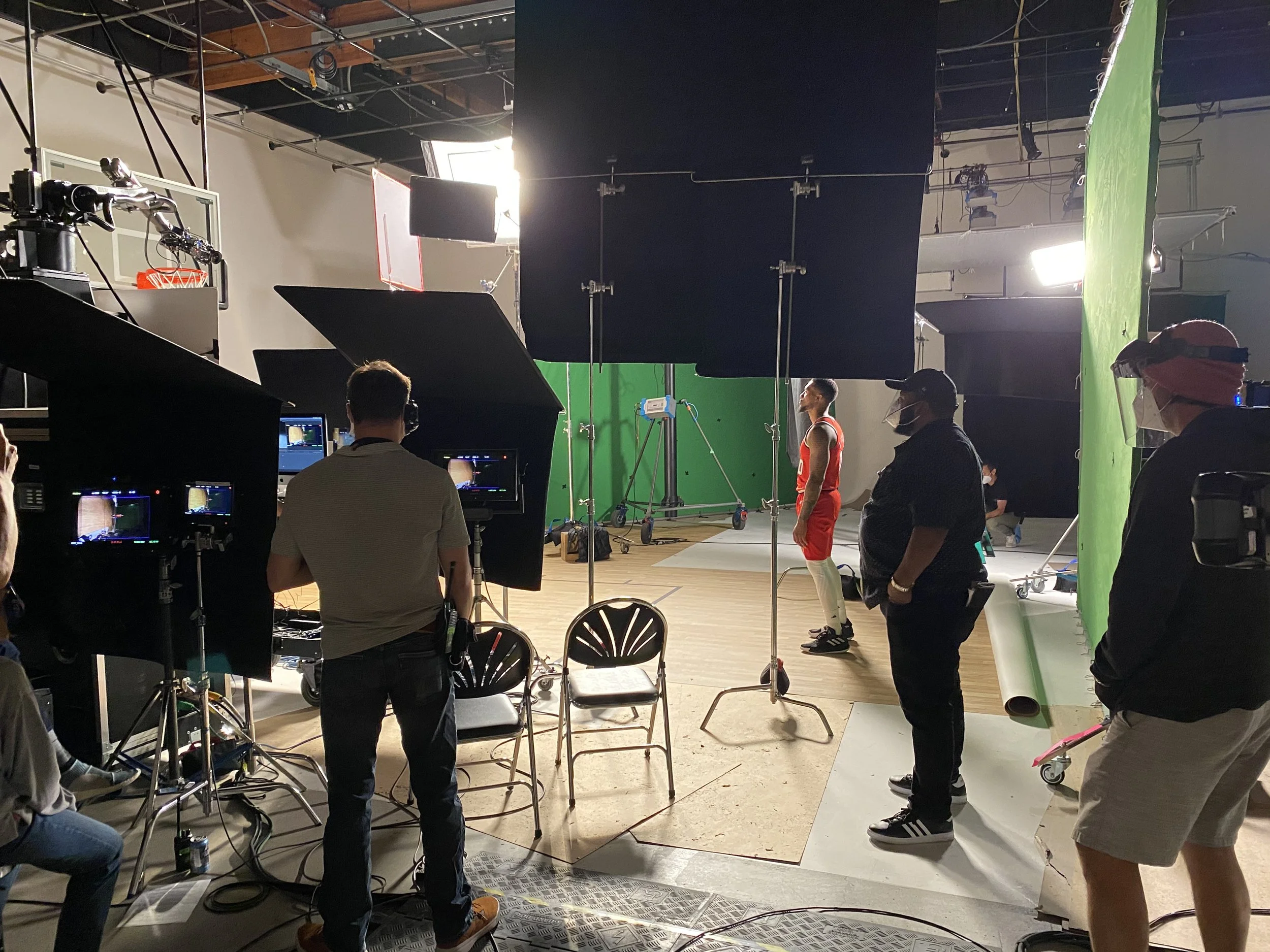
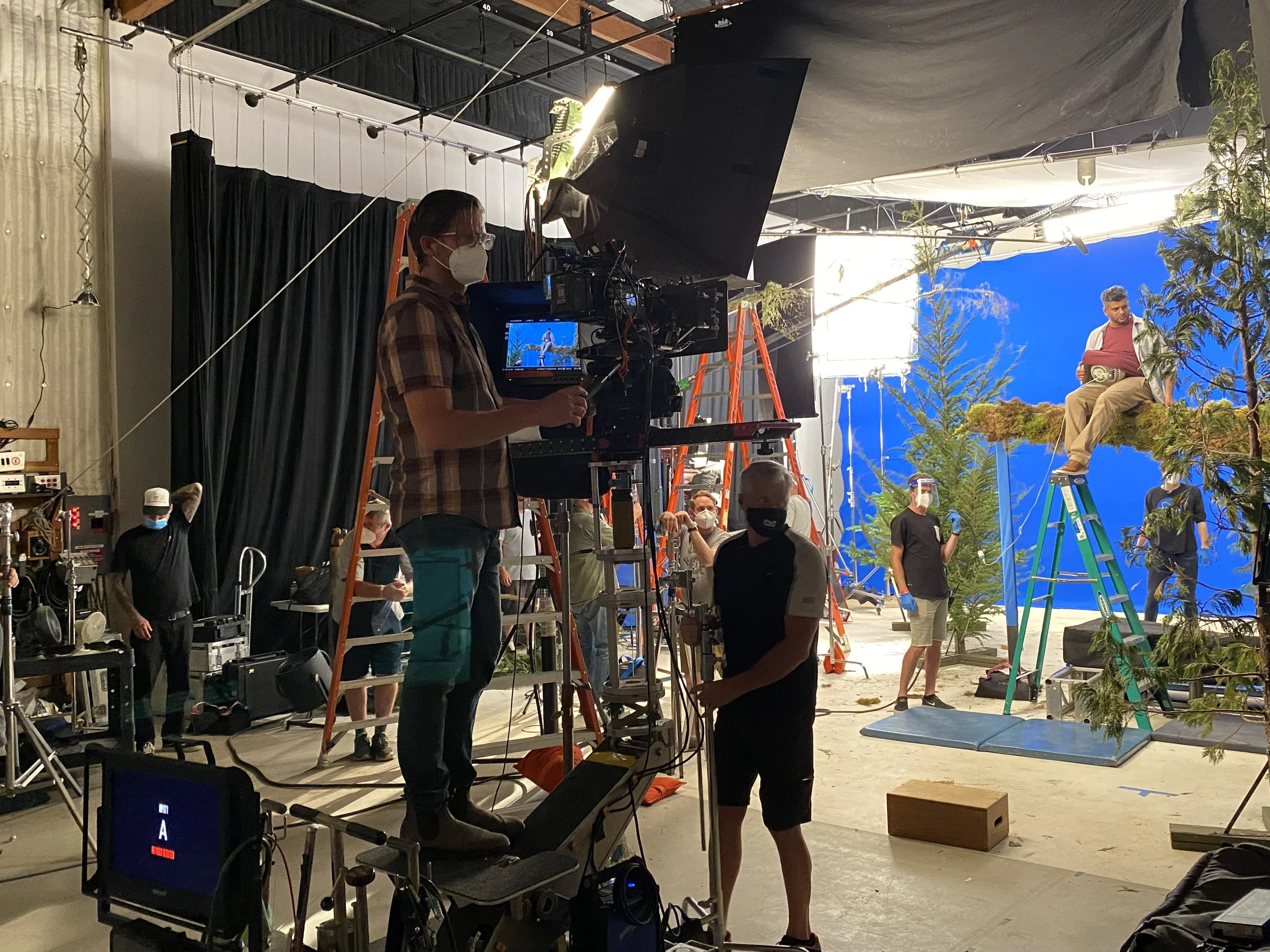
As the world resurfaced from the pandemic, pent-up demand for fresh content was undeniable. Advancing camera and lighting technologies meant creators could move faster and shoot more efficiently than ever before. For a stretch, motion took a backseat as brands poured budgets into high-volume premium still photography. By the end of 2024, the pendulum found a new equilibrium: traditional commercials and major motion campaigns still anchor our floor, while high-end quarterly apparel shoots for global brands regularly utilize our expansive grid and seamless cyc walls for seasonal lookbooks on tight agency timelines.
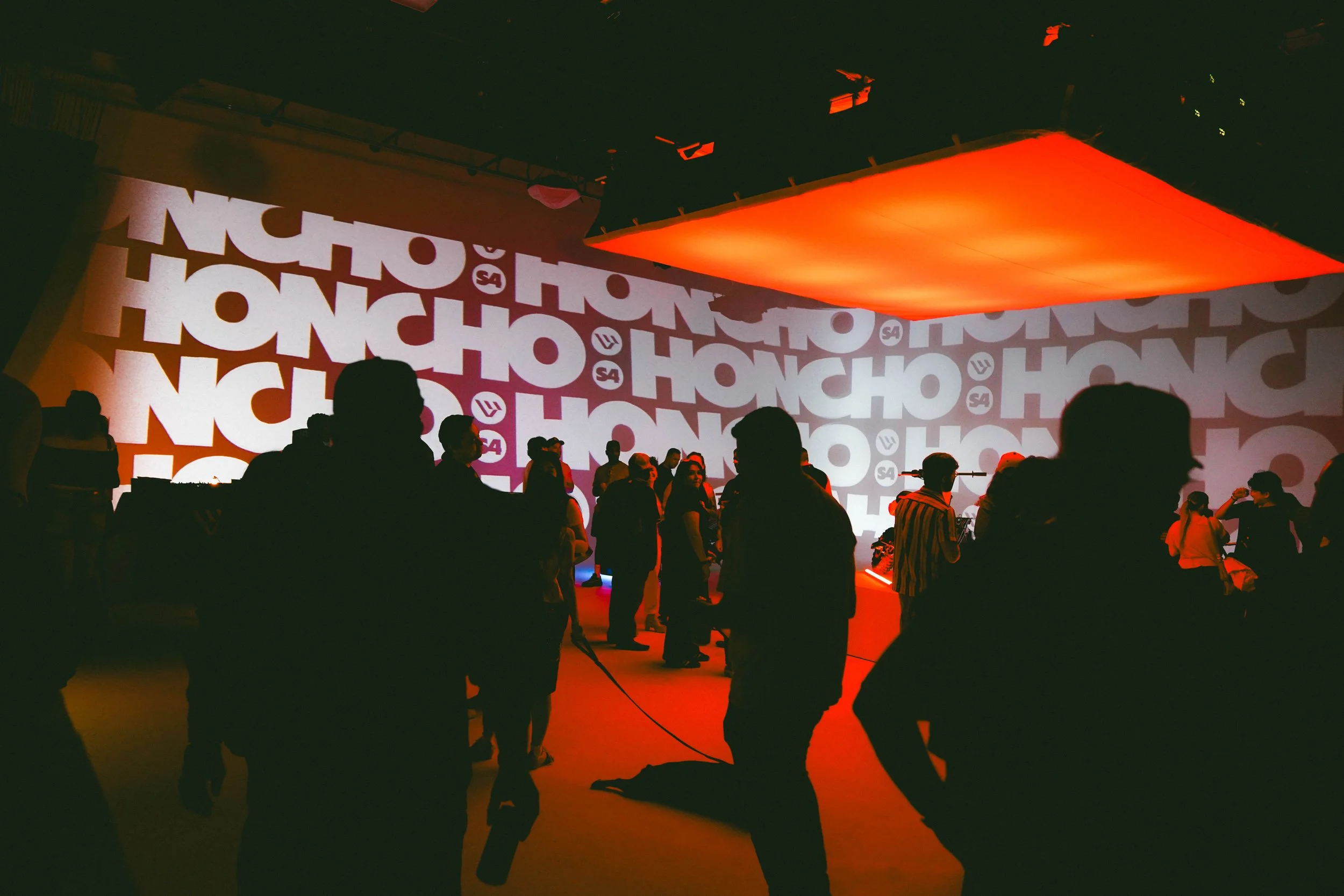
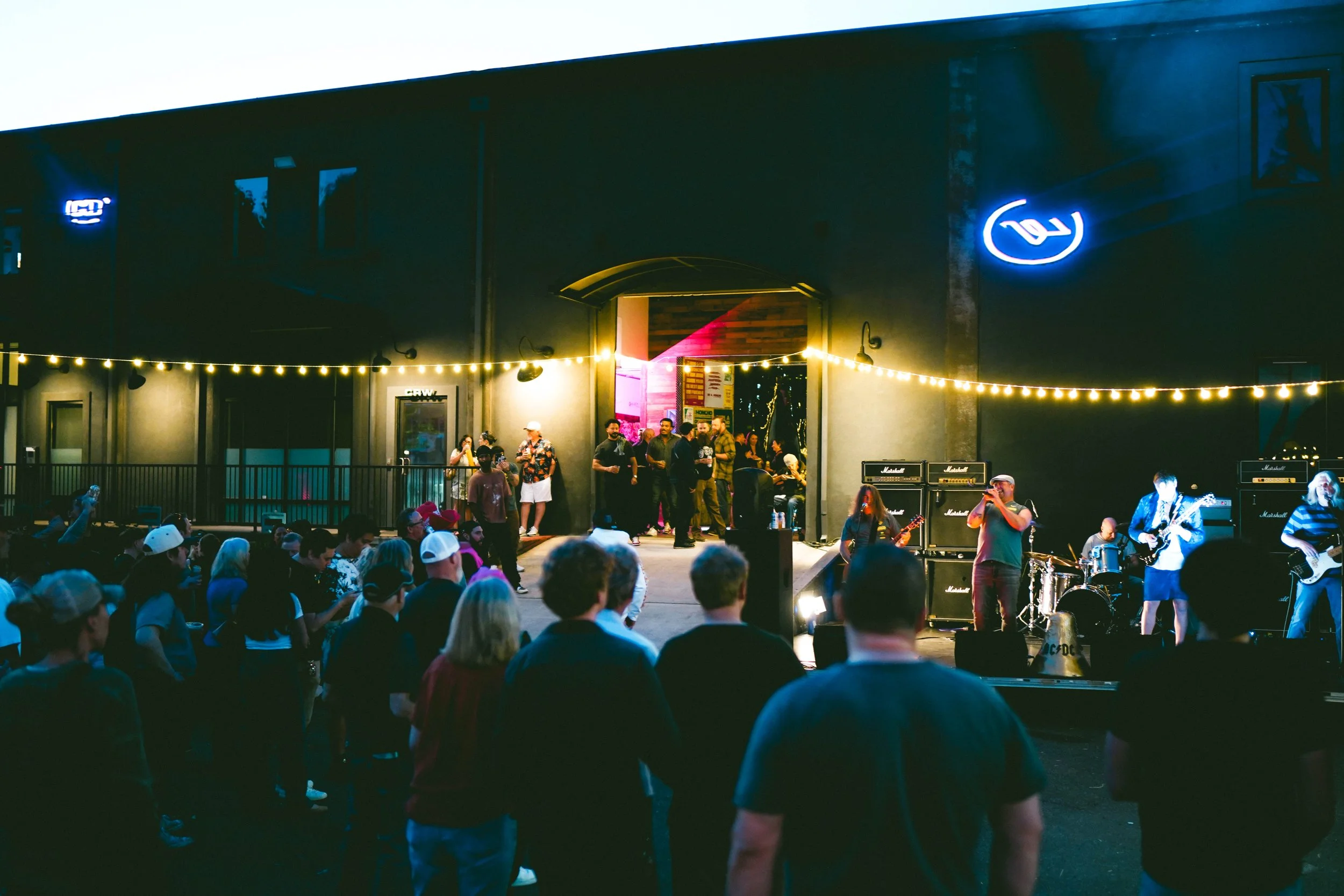
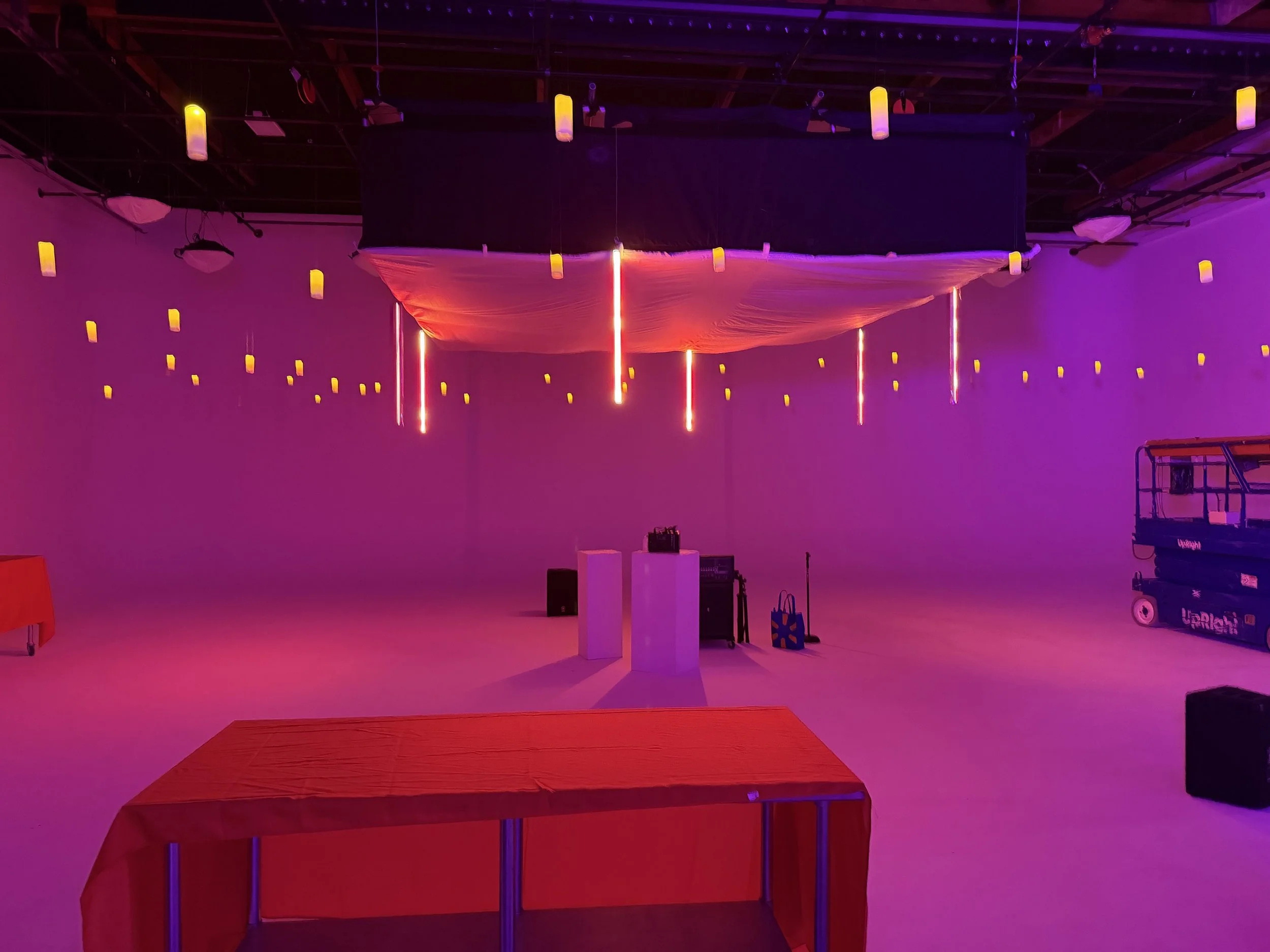
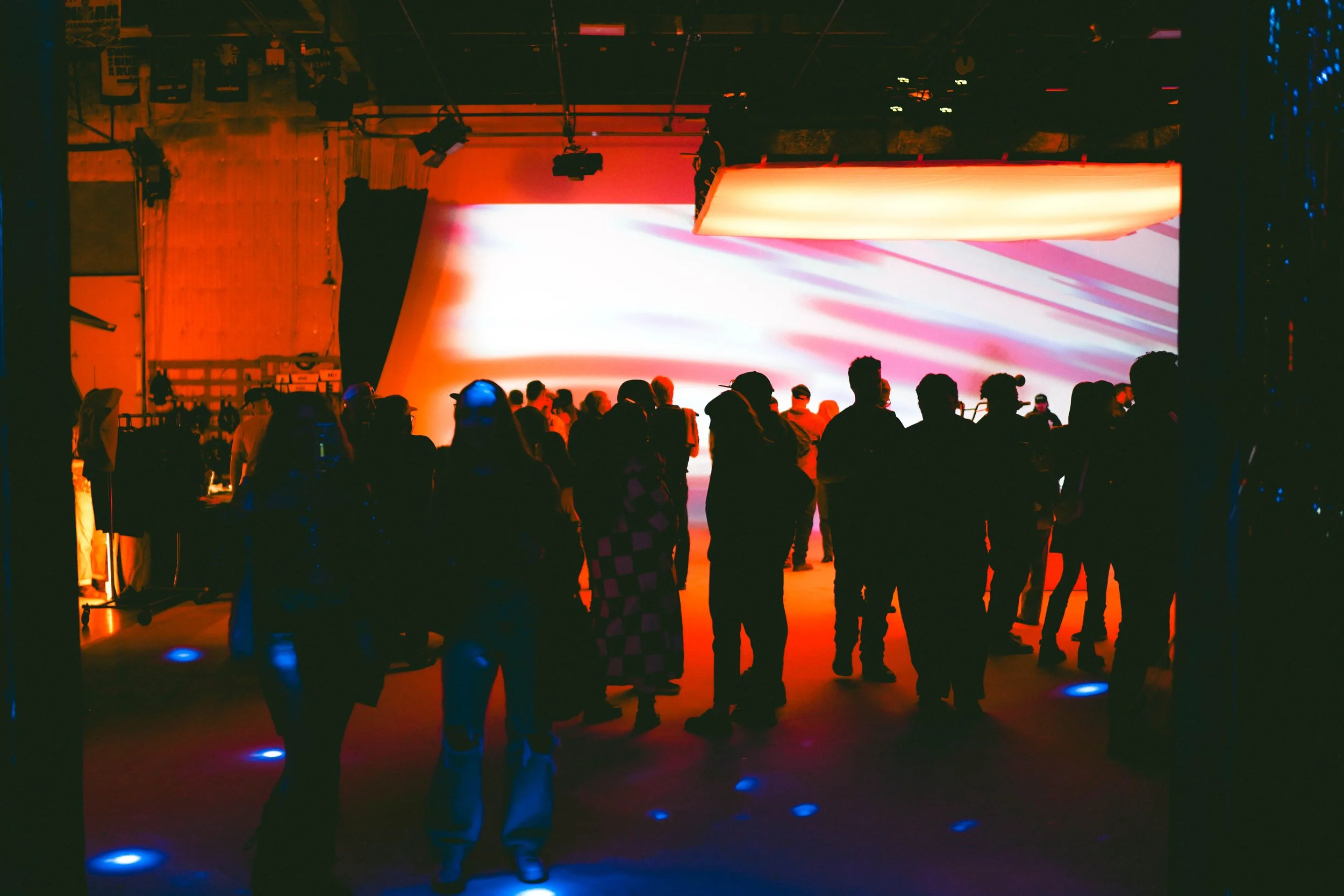
To thrive in this new era, we didn't abandon what we do best—we expanded on it. Still and motion campaigns are the core structure of our identity; it’s what this facility was engineered for, and it’s what we will always execute at the highest level. However, we recognized an opportunity to adapt and open our doors wider. Today, Cine Rent West also serves as a premium launching pad for high-end brand activations and experiential events where digital content meets real-world community. From hosting an exclusive, hyper-premium campaign showcase for Lamborghini, to serving as the electric arena for the LiveWire electric motorcycle showcase ahead of The One Moto Show, our stage has evolved. But it has only evolved because the local production community continues to use it to create.
The Future: Human Authenticity in an AI World
With Artificial Intelligence capable of creating fake people, synthetic backgrounds, and entirely generated events, the question every studio owner asks is: How do we remain relevant? Will a physical soundstage survive?
The answer is inside our walls, but more importantly, it's in our history.
For over 26 years, this entire endeavor has been fundamentally based on keeping a working soundstage operational for our community. It has taken an entire ecosystem of local crews, directors, agencies, and technicians to support, build, and benefit from Cine Rent West being here. This place wasn't built by a corporation—it took the hands of many dedicated industry professionals to build it up in 2001, to rally and tear it down clean during the great salvage of 2018, and to stand shoulder-to-shoulder to build it right back up again in 115 days.
AI can generate a flawless image of a motorcycle or a luxury car, but it can never replicate the raw, visceral energy of a community gathering on a concrete floor. It cannot simulate the collective human effort it takes to execute a high-stakes shoot, the smell of rubber, or the reflection of real light off a steel frame.
Make no mistake: we are not moving away from our core. High-end still and motion campaigns are what this facility was built for, it is what we do best, and it is exactly what we will continue to anchor our floors with moving forward. In a digital landscape rapidly filling with synthetic noise, providing accessibility, top-tier infrastructure, and evolving opportunities for the production community at large is what keeps this industry going. Cine Rent West isn't just a backdrop or a room where cameras roll; it is a shared resource, a permanent anchor, and the physical foundation where our creative community will always gather to execute real campaigns.
As long as there remains a need for a space like ours, Cine Rent West will be here.